
Tag Archive for: Paula Gail Benson

Celebrating the Short Story: the 2016 Agatha Short Story Nominees

by Paula Gail Benson

Malice Domestic has become a wonderful homecoming for me each
year. Held in late April or early May near Washington, D.C. (for the last
several years in Bethesda, Maryland), it celebrates the best in the “traditional
mystery,” written in the style of Agatha Christie, where the emphasis is on
resolving the puzzle of the crime rather than delving into the more gruesome
aspects of the deed.

Excellence is recognized at Malice Domestic by the annual Agatha
Awards, given to living authors for works published during the previous
calendar year. Short stories are included in the nominated categories and this
year’s group of nominees features a group of outstanding writers. Not only are
the authors well-respected and prolific, but also the publications demonstrate
how short fiction is experiencing a new golden age for mystery readers’
enjoyment.

Following are the nominees and links where you may read the
short stories:

Best Short Story:
“Double Jinx: A Bellissimo Casino Crime Caper Short
Story”
 by Gretchen Archer (Henery Press)
“The Best-Laid Plans” by Barb Goffman
in Malice Domestic 11: Murder Most Conventional (Wildside Press)
“The Mayor and the Midwife” by
Edith Maxwell in Blood on the Bayou: Bouchercon Anthology 2016 (Down & Out
Books)
“The Last Blue Glass” by
B.K. Stevens in Alfred Hitchcock’s Mystery Magazine
“Parallel Play” by Art Taylor in
Chesapeake Crimes: Storm Warning (Wildside Press)

Gretchen Archer, who writes the Davis Way Crime Caper series for Henery Press,
uses the setting for her novels,
the Bellissimo Resort and Casino in
Biloxi, Mississippi, for her short story about a holiday host investigating the
death of a slot machine tournament player. Henery Press issued the story in
electronic format on Amazon. Gretchen is a Tennessee housewife, who lives on
Lookout Mountain with her husband, son, and a Yorkie named Bently. Her first
Davis Way Crime Caper, Double Whammy, was a finalist
for the Daphne du Maurier Award and appeared on the USA TODAY Bestsellers List.
Barb
Goffman has won the Agatha, Macavity, and Silver Falchion awards for her
mystery short stories. She received the Silver
Falchion was for her collection, Don’t Get Mad, Get Even. She also has
been nominated for the Anthony and Derringer.
Her nominated story was
published in  Malice Domestic 11: Murder Most
Conventional
. It’s a great joy to see Malice Domestic resume its
practice of issuing short story anthologies, particularly this volume that
concentrates on mysteries at conventions. Barb’s story reveals how the best
laid plans of two honored guests at Malice Domestic can take a bad turn for the
worse.
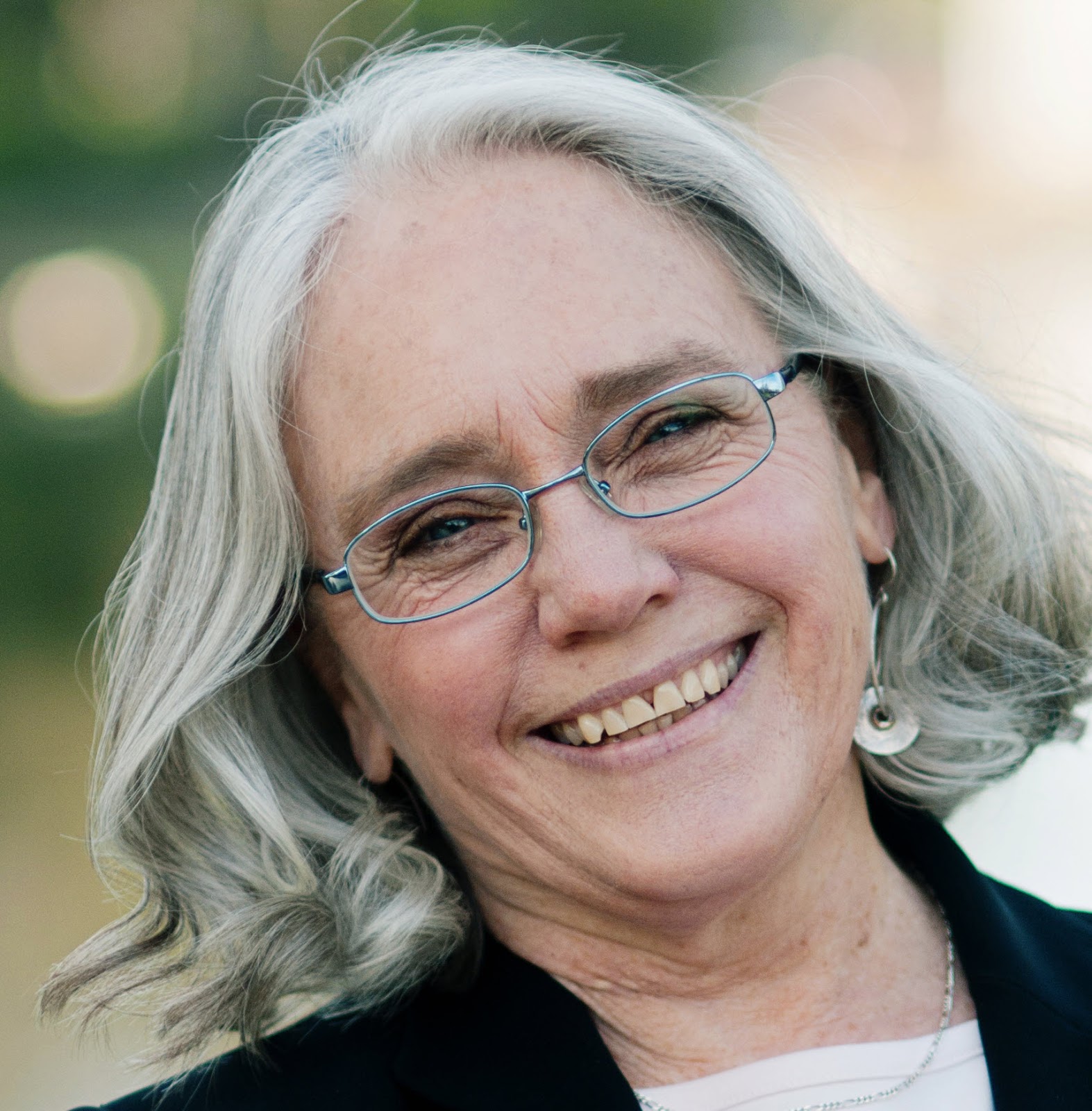
Edith Maxwell, an Agatha nominated and Amazon bestselling author,
writes two series under her own name (the Quaker Midwife and Local Foods
Mysteries), two under the name Maddie Day, and previously wrote the Lauren
Rousseau mysteries as Tace Baker. Her nominated short story appeared in the
Bouchercon anthology,
Blood on the Bayou:
Bouchercon Anthology 2016
 edited by Greg Herren (Down
& Out Books), and featured her Quaker midwife protagonist, who must solve
the mystery of a death in a New Orleans’ family that has come to Amesbury in
1888.
B.K.
Stevens has published over fifty short stories, most appearing in Alfred Hitchcock’s Mystery Magazine and eleven of which have been collected in Her Infinite
Variety: Tales of Women and Crime
, published by Wildside Press. In
addition, she has written a novel featuring a deaf interpreter, Interpretation
of Murder
(Black Opal Books), and a young adult martial arts mystery, Fighting
Chance
(Poisoned Pen Press). She has won a Derringer and has been nominated
for Agatha, Anthony, and Macavity awards. Her nominated story, published in
Alfred Hitchcock’s Mystery Magazine, was
described by editor Linda Landrigan as: “A young wife finds her life’s
disappointments measured in broken glass.”

Art Taylor, associate professor of English at George Mason
University and frequent contributor to the Washington Post, the Washington
Independent Review of Books
, and Mystery Scene Magazine, won the
Agatha Award for Best First Novel for On the Road with Del & Louise: A
Novel in Stories
. For his short stories, he has won two Agatha Awards, two
Anthony Awards (one for his own short fiction and the other for editing Murder Under the Oaks: Bouchercon Anthology 2015),
a Macavity Award, and three consecutive Derringer Awards. His nominated story,
about a parent’s efforts to protect her child, was published in Chesapeake
Crimes: Storm Warning
.

If
you haven’t already discovered these extraordinary authors, I hope you’ll take
this opportunity to read their nominated work. And, if you already love their
writing, as I do, enjoy these wonderful nominated selections!
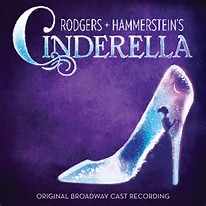

The New Cinderella

by Paula Gail Benson


Are
you familiar with the new Cinderella? I mean the Rodgers and Hammerstein
musical that played on Broadway from 2013 to 2015 and now is touring around the
country? If you haven’t had the opportunity and get the chance, please go see
it, particularly if you were enchanted by its television predecessors, the
first with Julie Andrews (1957), then Lesley Anne Warren (1965), and Brandy
(1997). Here
’s the website for the touring schedule: http://cinderellaonbroadway.com/tour/
 
Just
be forewarned: this is not your traditional Cinderella story. This is a new empowered
Cinderella, who helps to bring out the leadership capabilities in the man she
comes to love. If you think I’m kidding, take a look at the cover for the
Broadway original cast album, which also is the national touring company’s
poster. It doesn’t feature a beautiful girl in a pumpkin carriage, or with a
glamorous Fairy Godmother, or even with a handsome Prince. Instead, it shows a
large glass slipper and inside the glass slipper is the image of a girl holding
a glass slipper looking up at a crescent moon. One poster also has the log
line: “glass slippers are so back.”
So
what’s the history of this phenomenon? It was actually written as a television
musical with Julie Andrews as Cinderella. According to Wikipedia, the original
production had to fit into a 90-minute time slot with six commercials, so Oscar
Hammerstein wrote it in six short acts, which he said took seven months.
I
remember seeing the Lesley Anne Warren version and being captivated by the
songs: “In My Own Little Corner,” where Cinderella explains how she deals with
a harsh world through her imagination; “Impossible,” in which the Fairy Godmother
sets the magic in motion; “Ten Minutes Ago,” with Cinderella and her Prince
realizing their instant attraction while waltzing; “The Step-Sisters’ Lament,” gleefully
demonstrating the pangs of jealousy (“With very little trouble/I could break
her little arm”); “Do I Love You Because You’re Beautiful,” has the Prince contemplating
his doubt upon Cinderella’s disappearance; and “A Lovely Night,” shows
Cinderella relishing the upper hand as she describes a ball she couldn’t
possibly have attended (“I do not know these things are so/I only can suppose”).
While
the first two television versions followed the traditional story, the third had
Cinderella running away from home after particularly cruel treatment by her
step-mother. The Broadway and touring company version begins with the Prince
(now called Topher instead of Christopher) battling a dragon and heading home from
school to take over his princely duties. A trusted mentor has been handling the
kingdom’s business pending Topher’s return and hopes to continue to do so by
making Topher a puppet ruler. Meanwhile, a revolutionary character, JeanMichel, is standing up for the rights of the common people, while ineptly romancing
one of the step-sisters. When the mentor seeks to distract Topher’s attention
by having a ball to find a bride, the more familiar part of the story begins,
with certain distinctions. One difference is that the Fairy Godmother is a
local “crazy” woman, to whom Cinderella has been kind. Another little twist is
that the first act ends with Cinderella losing her slipper on the stairway,
then going back to retrieve it before Topher can get it, making all of us
wonder what the second act may have in store. Never fear. There’s another event
at the palace, where Cinderella introduces Topher to JeanMichel and the common
people, then leaves behind her slipper before vanishing.
In
each television and stage version, the names of the step-sisters changed:
Portia and Joy (1957), Prunella and Esmerelda (1965), Calliope and Minerva
(1997), and Charlotte and Gabrielle (2013 on Broadway). I may be wrong, but the
mystery writer in me noticed that Douglas Carter Beane, who wrote the new book
for the Broadway version lists a daughter Gabby in the credits, so I’m guessing
that may be the reason for the name Gabrielle as well as a change in character
so that Gabrielle becomes Cinderella’s confidant instead of her adversary.
After
we saw the stage production, John W. Henry, my theater buddy, who remembered
well having produced a local production of the original show, asked me what
story had been incorporated into the new version. I had to think about this
question a while, but I finally decided that it was a reverse of the Beauty and
the Beast
plotline, where, instead of having to fight off the angry villagers,
Cinderella gets Topher to champion their cause.

I enjoyed this
version because when teaching short story writing, I have often used the
Cinderella model to show structure. The problem is that if you stick with the
traditional tale, Cinderella has things happen to her and never takes a
proactive role. I encourage my students not to let that happen with a
protagonist. I’m glad that the people behind this new production took my
advice!

The Stiletto Connection (with Sisters in Crime)

by Paula Gail Benson

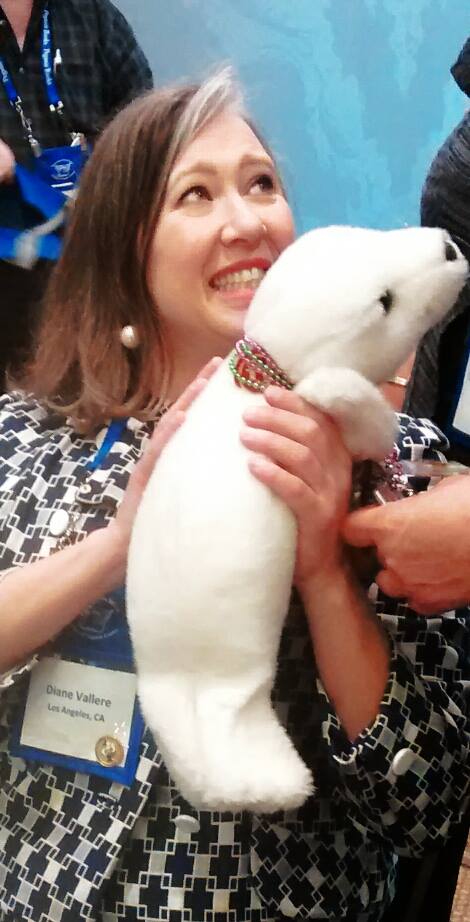
Diane Vallere


What
do stilettos have in common with Sisters in Crime (SinC)? They are both significant
factors in current national SinC President Diane Vallere’s writing life.
For
example, her first manuscript, Just
Kidding
, won the RWA Get Your Stiletto in the Door contest, then became Designer Dirty Laundry, the first novel
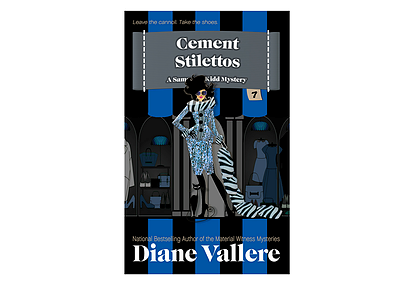
in her Samantha Kidd series. Her upcoming release in that series will be titled
Cement Stilettos. The hashtag in the
header for her website is #shoescluesclothes. (I’m thinking Diane should feel
completely at home here at The Stiletto
Gang
.)
When
she visited by Skype with the SinC Palmetto Chapter (Columbia, S.C.) this past weekend, Diane
said that she attributed her writing success to membership in Sisters in Crime.
She joined SinC after she left a lucrative job in the fashion industry to write
mysteries. Her first publication was a short story in the SinC Guppy Chapter’s anthology,
Fish Tales.
Diane with SinC Seal
This
year, it seems particularly appropriate that a person who credits SinC with
helping her to attain her goals should be SinC’s national President as that
organization celebrates its 30th anniversary. For thirty years, SinC
has been bringing media attention to all crime writers’ efforts, as well as
providing grants to libraries and book stores to encourage mystery collections.
Now, Diane continues that legacy of support and encouragement by emphasizing
that SinC does not differentiate in manner of publication, but celebrates the
different journeys of all authors in the mystery community.
The
fact that she takes her own advice seriously is in clear evidence when you
consider her body of work. She currently writes four series: Samantha Kidd (a
designer shoe buyer who returns to the town where she grew up), Madison Night
(an interior decorator who resembles and dresses like Doris Day), Material
Witness (a business woman who inherits the fabric store where she was born), and
Costume Shop mysteries (a former magician’s assistant who returns home to run
her family’s costume shop–the first novel, A
Disguise to Die For
, has been nominated as Best Humorous novel at this year’s
Left Coast Crime Conference in Honolulu, Hawaii).
Diane
began her own press in 2011. Without her knowing, her novel had been given to
an editor at Penguin. She turned down an offer to publish that novel with
Penguin and went the indie route, then wrote a new series Penguin bought.
She
continues to self-publish her Samantha Kidd books, while Penguin issues two
of her series (Material Witness and Costume Shop) and Henery Press releases her
Madison Night mysteries.  
One
of the questions Diane received from the Palmetto Chapter members was about the
following sentences found on her website:
She is also a
firm believer in not just following your dreams, but in creating a roadmap of
goals, tasks, and benchmarks to keep on track. She claims that being a textbook
Capricorn accounts for her drive, though she’s never been a big fan of being
told there’s something she can’t do.
Diane
laughed as soon as she heard the quote, because she had recently spoken to
another group that had asked her about it. She said the most important thing
about being a writer was finding ways to move forward and make writing a
priority, because writing will be as important as you want it to be.
Another
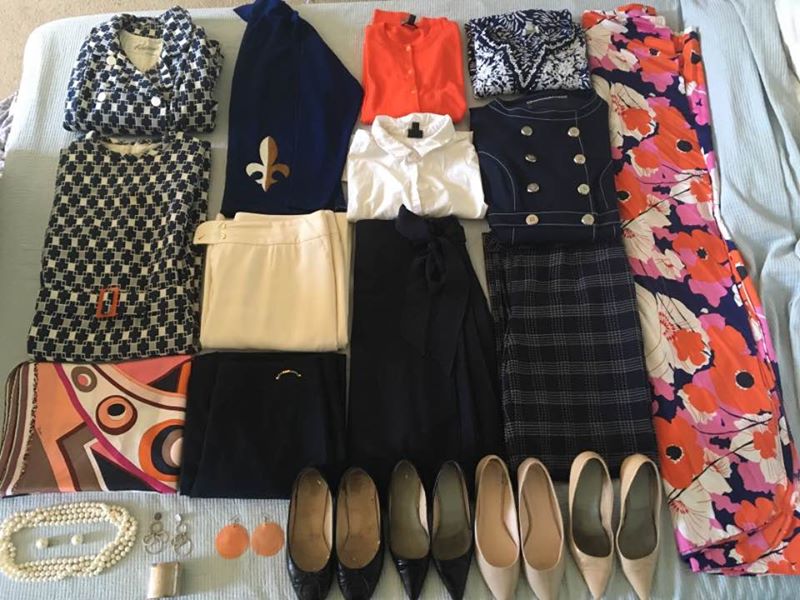
of Diane’s great talents is her ability to pack for a writing conference. Here’s
a photo of her outfits for last September’s Bouchercon in New Orleans.
Diane’s Bouchercon wardrobe
Don’t you think her next project should be a coffee table book on how to pack fashionably?
Thanks, Diane, for writing excellent mysteries that also feature good
fashion. And, thanks for your support of the mystery writing community,
particularly in this special anniversary year for Sisters in Crime.

Bethlehem Writers Roundtable

by Paula Gail Benson

A
writer never forgets the first place her work is published. The Bethlehem
Writers Group, in existence since 2006, gave me that opportunity through its
online publication the Bethlehem Writers Roundtable (BWR).

At the
end of 2012, I had recently joined the Guppy Chapter of Sisters in Crime and
decided to commit to serious writing by submitting my work. I read the BWR was
seeking 2000 or less word stories on the theme “Dead Valentine” for its
February issue. I sent in “Nectar of the Gods,” and, miraculously, it was
selected as February’s feature story, which meant I also had to come up with a “top
ten” list. (My topic: the top ten romantic Broadway musicals.)

Subsequently,
I entered the BWR annual short story contest. That year, it was being judged by
Hank Phillippi Ryan, who I unabashedly adore as a fabulous writer and
incredible human being. I wrote a story based on personal experience, drawn
from an incident that happened to my mother during her final days in the
hospital. I will never forget the joy I felt in placing third, behind K.B.
Inglee, another author I very much admire.


For
me, the BWR is the gift that keeps giving. My three stories published there
remain accessible through the online archives. My prize winner also was included in
a print anthology available in paperback or Kindle formats on Amazon.

When
I first submitted to the BWR, it was issued monthly and offered no payment. In 2017, it became a
quarterly publication that pays for accepted stories ($20 for featured authors
and $10 for &More selections). Submissions should be no more than 2000
words.

This
year, the short story contest is being judged by Carrie Vaughn, the New York
Times bestselling novelist of the Kitty series, featuring a werewolf who hosts
a radio talk show. Paranormal stories are being solicited and must be received
by March 31, 2017. There is an entry fee of $10 per story for the contest. (Regular
submissions require no fee.) In addition to publication, the top three prize
winners receive cash awards. Personally, I think the contest fee is very
reasonable and consider it a means of supporting an excellent organization.

If you’re a short
story writer, please consider submitting to the BWR. I have found its editors
to be wonderful, caring individuals, and I am very proud to be among their authors
(including my Stiletto Gang partner, Debra Goldstein). Check it out at: http://bwgwritersroundtable.com

Writing Rehearsal


by Paula Gail Benson

How
do you get to Carnegie Hall? Practice, practice, practice!

How
do you get happily published? Submit carefully crafted writing.
And,
how do you ensure that your submissions are carefully crafted? Write
extensively.
Do
you have to write every day? Some authors manage without, but I remember what
happened when I tried to improve my piano playing and left off practicing until
the day before the lesson. The result was passable, but not as polished as it
could have been if I had built on a daily habit.
While
music and writing may be inspiring to their listeners, they don’t emerge from
the muse by someone simply placing their fingers on a keyboard. Music and
writing have to be worked out in advance before you can sell tickets to the
audience.
Acting
is another creative activity that requires prep time. The first reading of a
line may “feel” perfect, but once you’ve rehearsed it, you realize more subtle
nuances, ways to play off fellow actors, or timed reactions that are funnier or
more poignant than the original interpretation.
Pianists
and writers are solo performers. Only by repeated practice do they learn the
methods that will best charm and involve an audience. One of the greatest joys
of a performer can be the private discovery of how a musical or written piece
should be presented.
That
joy is compounded when they hear the audience’s reaction. The true moment when
the muse touches you is when you realize the perfect order and symmetry for
your work. An actor or pianist may receive a more instant gratification in
hearing applause, but what writer doesn’t relish listening to a reader tell him how his words and
stories have changed a life?
Practice
is necessary for performances because to act or play piano is an extension of
self. The way we turn writing into that extension is to: (1) sit down to write
with purpose, and (2) embrace the discoveries made.
By
developing a writing habit, you can let the daily discoveries soak in until
they become a part of your writer self. You learn to recognize those “tricks”
that attract your audience’s attention. Then, you refine them in order to make
them appear natural, so they become craft and your audience doesn’t perceive them
at all, but is completely involved in the story and hates to see it end. This is
the objective of every artist: to tell the story well and leave the listeners
satisfied.

Walter
Moseley said that when writing becomes a daily practice, the writer completes
projects and his subconscious begins to assist him even when he’s not writing
because the constancy of the task has become so strong. (Why does his concept
make me think I hear, “May the force be with you,” echoing in my head?)

Linda
Rodriguez has written some inspiring recent messages about becoming motivated to write
and making the decision to be a writer. Both feature excerpts from her recent
book, Plotting the Character Driven Novel,
which is terrific.

If youre still contemplating New Years resolutions, here are a few books
that have recommendations to help you develop a daily writing schedule:
 

The
Divine Guide to Creating a Daily Writing Practice
by Pernille
Norregaard. This inspirational text includes many quotations from established
authors (like Walter Moseley
s theory above) and emphasizes how to effectively build a habit.

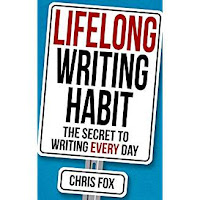
Lifelong Writing Habit: The Secret to
Writing Every Day

by Chris Fox. By illustrating how he changed his entire life through developing
consistent practices, Fox shows the path to more effective writing and offers
exercises to achieve that goal.

The Eight-Minute Writing Habit: Create a
Consistent Writing Habit That Works With Your Busy Lifestyle
by Monica Leonelle.
This guide offers a modified Pomodoro Method of timed writing. By limiting the
writing period to eight minutes, Leonelle contends it creates a habit that is
easy to incorporate into any lifestyle and capable of ensuring at least 250 per
day, which could lead to 90,000 words in a year.

Writers’ Lessons from Paranormal or Supernatural Holiday Stories


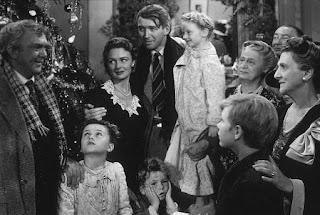
Frank Capra’s It’s a Wonderful Life

by Paula Gail Benson
I
watched It’s a Wonderful Life when
NBC broadcast it earlier this year. Letting myself get caught up in George
Bailey’s story and Clarence Oddbody’s struggle to get his wings, I began to
think about how some of our most memorable holiday stories involve a
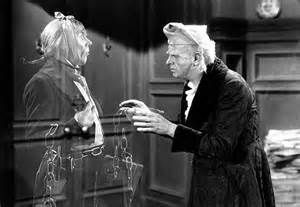
supernatural or paranormal element. Consider Charles Dickens’ A Christmas Carol. Where would Scrooge
have been without those ghosts? Even Miracle
on 34th Street
showcases Santa’s, or Kris Kringle’s, magical
capabilities.
What
is it about Christmas that brings makes us ponder the world beyond that we do
not know and only through religious texts, unique circumstances, and fiction catch
a glimpse? Does this preoccupation stem from the fact that during this cold time of
year, memories of the past draw close? Or, does the nativity story give us the
courage to ponder how humans may connect with God, angels, and dearly departed
who may be looking out for us?
A Christmas Carol (1938 film)
In
all three of the Christmas stories I mentioned, the supernatural or paranormal
creatures have the power to show humans what they may have been unable to see.
For George, how the world might have been if he weren’t born. For Scrooge, how
his actions had and could influence others. And, for Susie and her mother, how
believing, even if you’re not certain, can help you lead a happier, more
fulfilled life.
Often,
when writers think about creating paranormal creatures, we consider allowing
them to swoop in and rescue humans, like super heroes. But, in these Christmas
stories, that doesn’t occur. A reader might wonder why Clarence doesn’t ask
Gabriel if he can tell George that Mr. Potter has the missing money. In 1986, Saturday Night Live featured a sketch
introduced by William Shatner, who said the lost ending for It’s a Wonderful Life had been
discovered. Phil Hartman, playing Uncle Billy, remembers where he left the
$8,000 and learns from Clarence at the bank that Potter made a deposit in that
amount. George (Dana Carvey) and the crowd gathered at his house become an
angry mob, hunting down Potter (Jon Lovitz) and beating him to a pulp. It’s
just wasn’t the same as Clarence taking his lead from George’s suggestion and
by example showing him no man who has friends can be a failure.
I
decided to do some background research on the story, “The Greatest Gift” by
Phillip Van Doren Stern, that became the basis for It’s a Wonderful Life. According to Wikipedia, Stern was an editor and
author of books about the Civil War that have been described as authoritative
and respected by scholars. In 1938, he woke from a dream that inspired his
4,000 word short story, which he completed in 1943. When he could not find a
publisher, he sent it around in 200 Christmas cards. Eventually, it was
published and came to the attention of RKO Pictures, which optioned it due to
Cary Grant’s interest in playing George Bailey. Later, Frank Capra acquired
the rights and the role went to James Stewart. I found a copy of “The Greatest
Gift” available through Amazon. One of the reviewers pointed out that the names
of the characters in that story weren’t the same as those “in the original”
movie. I guess writers whose work has been adapted for the screen have been
facing that criticism a long time.
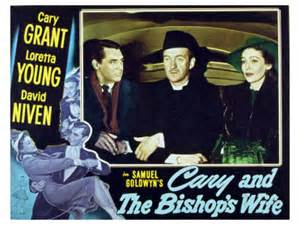
Speaking
of Cary Grant, he later played, not the struggling human, but the divine
intervenor in The Bishop’s Wife (a
role reprised by Denzel Washington in The
Preacher’s Wife
). In that story, Grant’s angel, named Dudley, created more
havoc for the humans, but in the end, found he had to allow them to make their
own decisions, even though he had fallen in love with Julia (Loretta Young),
the Bishop’s (David Niven) wife.
So,
in remembering these holiday stories with paranormal elements and considering how
they were constructed and created, what have I learned as a writer? Here are my
thoughts:
Miracle on 34th Street

(1) Successful movie adaptations often receive more credit than the original source.
(2)
A ghost, an angel, or even Santa can never “fix’ a human’s problem, only help
the human find his or her way.

(3)
Even if a lesson is hard learned, humans are invariably better off by allowing
some of the mystical qualities of the season to transform them.

Here’s wishing each
of you a wonderful holiday and a new year of happy writing!

Thank Heavens for Booksellers!

Fran and Don Bush
by Paula Gail Benson

An
author can have no greater friend than a supportive bookseller. I am fortunate
to have several in my life. I especially appreciate Fran and Don Bush, who
have just retired from running their brick-and-mortar Booklover’s Bookstore in
Aiken, South Carolina, but are still very active in their community and in promoting writers
they love.

We
first met through the South Carolina Book Festival, when I brought one of the
featured authors to the Aiken library for a special program Fran had arranged.
Since that time, we have become fast friends, closer than family. Fran and Don
have have been Aiken tour guides, helping me and another author gather
information for our work; and they have introduced me to their close friends, best-selling
mother-and-son writing team Caroline and Charles Todd. Take a look in the
acknowledgements in the Bess Crawford mystery, A Duty to the Dead, and you’ll see Fran Bush mentioned as “bookseller
extraordinaire.”
Recently,
Fran worked with the Aiken Chapter of the American Association of University
Women to organize a Mystery Madness Luncheon event, the proceeds from which benefited
AAUW’s scholarship fund. I’m proud to say that over $900 was collected.
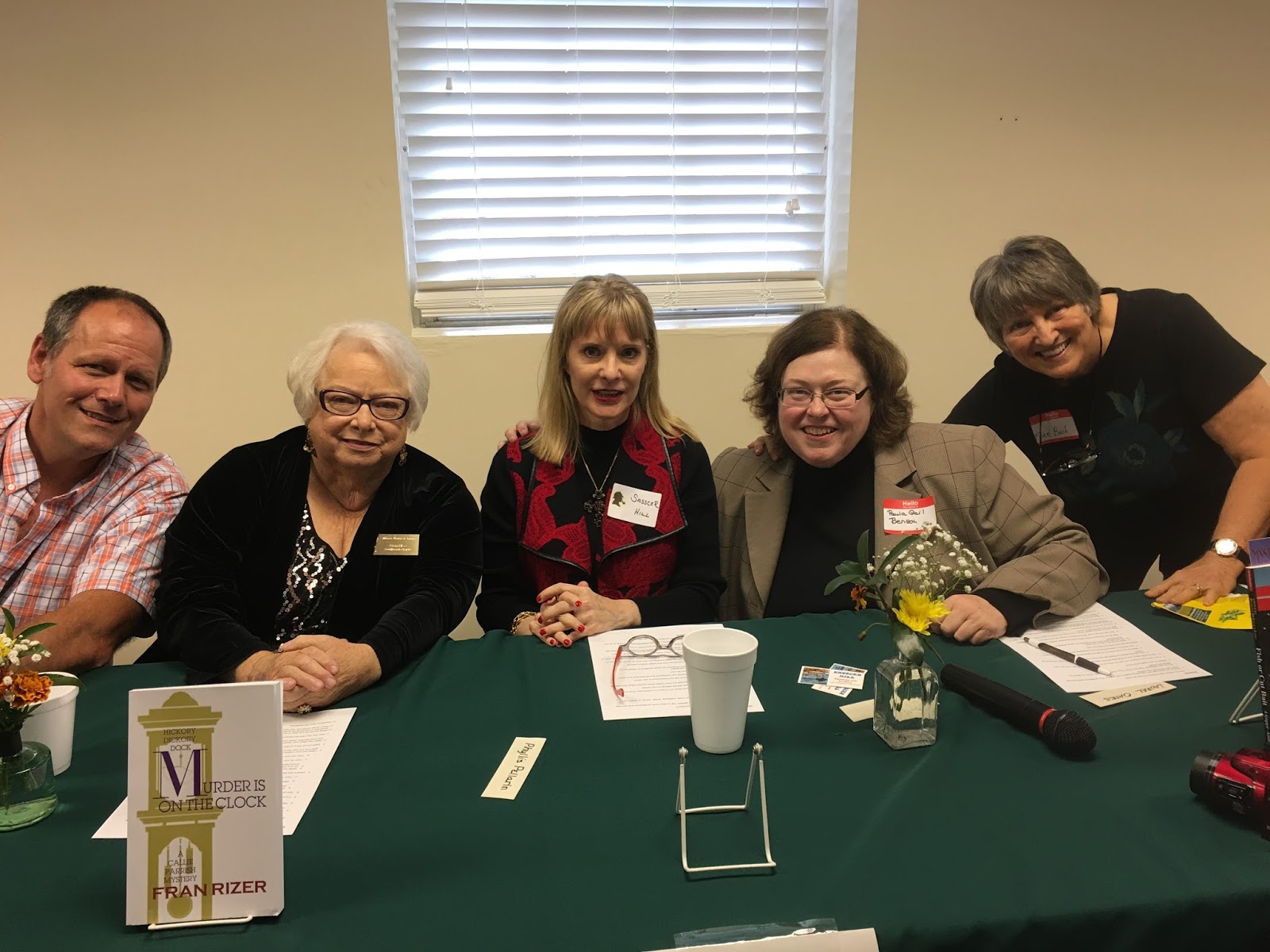
Richard Laudenslager, Fran Rizer, Sasscer Hill, me, and Fran Bush
Because
Fran and Don are honorary members of the Palmetto Chapter of Sisters in Crime, Fran
urged AAUW to showcase local authors she admired. She planned a terrific
panel including Sasscer Hill (formerly of Maryland and now an Aiken resident
whose multiple award nominated Nikki Latrelle series has been compared to the
work of Dick Francis, and whose new series will feature Fia McKee, an agent for
the Thoroughbred Racing Protective Bureau); Richard Laudenslager (a project engineer
and paranormal investigator currently writing a thriller, Wounded, and
collaborator, with Fran Rizer, on an anthology); Fran Rizer (who in addition to
her cozyesque Callie Parrish mysteries, about a funeral home cosmetologist, has
written Kudzu River, a serial killer thriller, Southern Swamps and
Ruins
, an anthology of haunting tales written in collaboration with Richard
D. Laudenslager, and a tenth novel, The Horror of Julie Bates), and
myself (writer of mystery and other short stories).

AAUW Lunch

We
had a wonderful lunch, with each author sitting at a different table and
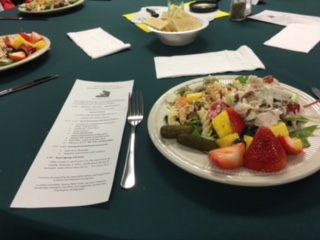
getting to know the members and guests of the AAUW chapter. The chicken salad
was divine and the desserts delectable. Then, the authors gathered at a table before
the audience to field questions from our moderator, Fran. While we had notice
of most that she intended to ask, she threw us a few curves–a particularly
good one that was suggested by her friend Caroline Todd and still has me
thinking: “Tell the audience in 90 seconds why they should read your work.”

Every
avid reader loves having a librarian or bookseller to consult with about the
most recent releases, but to have true advocates like Fran and Don Bush in your
corner is an incredible gift for an author. Thank you, Fran and Don. As our
friendship grows, I discover more qualities for which I admire you. I will
never forget your warm embraces, overflowing kindness, and complete confidence
in me and my writing. I am forever grateful.
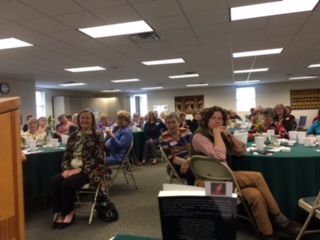
Audience at AAUW Mystery Madness Luncheon

A Weekend in Atlanta Talking Short Stories

by Paula Gail Benson

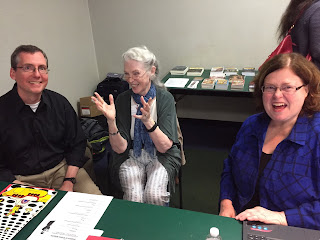
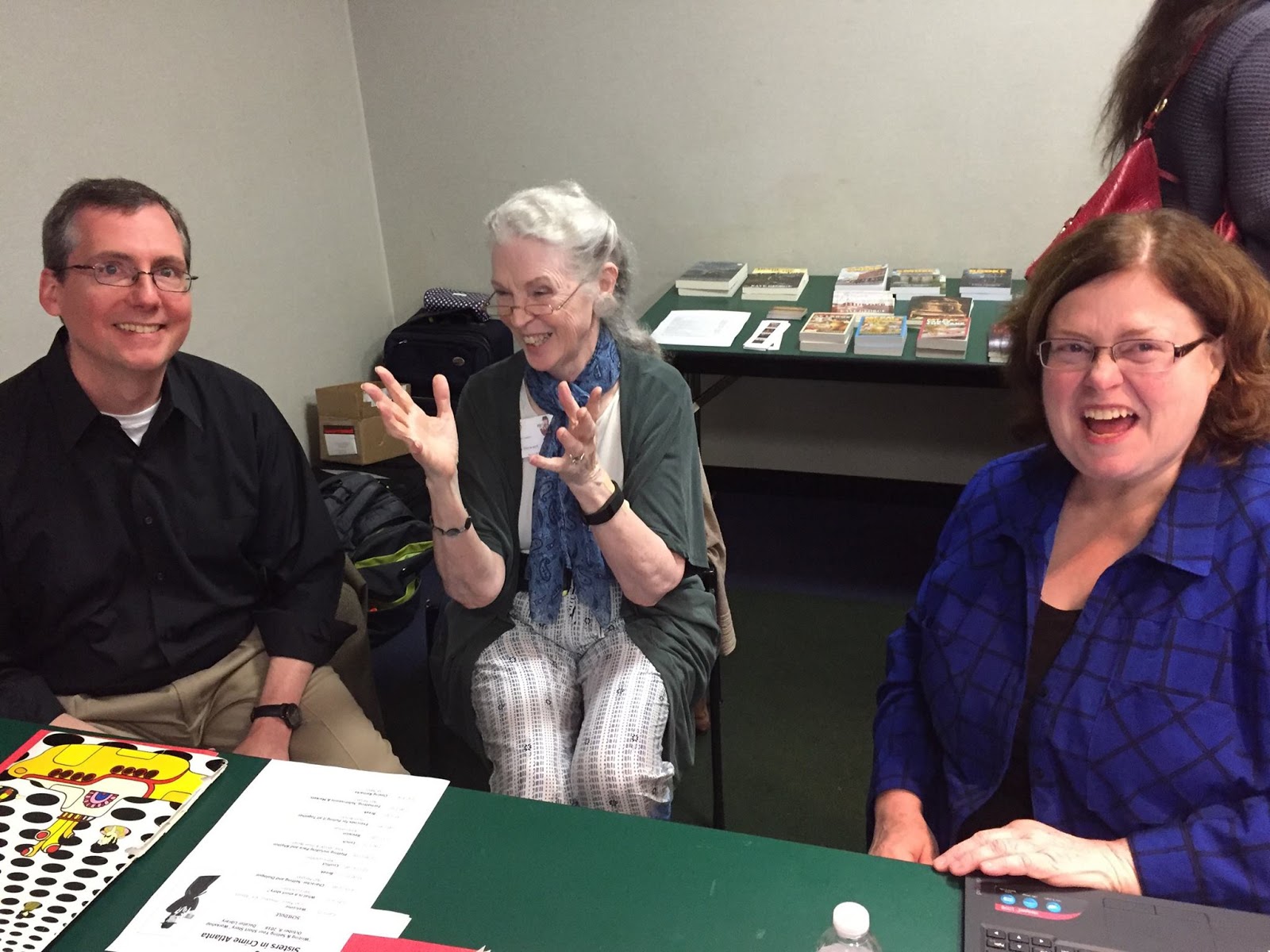
Robert Mangeot, Fran Stewart, and PGB (Photo by Charlie Burton)


My
membership in Sisters in Crime has afforded me many benefits, including
information, encouragement, and camaraderie. I’m particularly grateful to have had
the opportunity to participate in a recent short story workshop sponsored by
the Atlanta Chapter and organized by its President Lisa Malice and Debra
Goldstein. The event took place at the Decatur Public Library, a marvelous
facility with well-equipped auditorium and a patio where those attending could
have lunch and talk with the presenters. It was a true privilege for me to be
on the program with three short story writers I greatly admire, Debra, Kaye
George, and Robert Mangeot.

We
set an ambitious goal to provide a comprehensive overview of the short story craft
and submission process. While we concentrated on mysteries, we were delighted
to have writers of literary fiction and other genres participating.

Debra Goldstein (Photo by Robert Mangeot)

Debra
got us started with a description of the short story and an extremely effective
analysis of how to develop conflict through phrasing and action. Robert brilliantly
covered setting, character, and dialogue in a single segment that incorporated the
use of Gone with the Wind to
illustrate his points. Kaye and I took on the challenge of jointly teaching plotting
strategies and discovered that our approaches and preferred structural models offered
some interesting alternatives for putting together a story.

After
lunch, Kaye explained how revision and editing were essential in developing a
marketable manuscript. I followed up with some exercises to get the creative
juices flowing. I’m pleased to report that the group left with almost everyone
having written a six-word story a la
Ernest Hemingway’s “For sale. Baby shoes. Never worn.” Robert finished up the
day with a wonderful method for pursuing publication and left us all with the
inspirational question: “What is your dream?” By telling us about his own
writing journey and encouraging us to consider what we truly wished to achieve,
he sent us forth excited about the possibilities.
PGB and Kaye George (Photo by Robert Mangeot)

Our
participants were so enthusiastic, it became infectious. We exchanged a lot of very
helpful information.

I am
particularly grateful to Lisa Malice and her husband Lou for their generous
hospitality. Kaye and I were fortunate enough to stay with them for the
weekend. Not only did we get to enjoy Lisa and Lou’s lovely home, fabulous
food, and great conversations, but also we had a terrific time practicing our
presentation and catching up.

Thank you to the
Atlanta Chapter for taking the time to focus on the short story. I appreciate
my fellow presenters so very much. I always learn from each of you and I value
our friendships. Finally, many thanks to all those who attended. May you find
the success in writing that you are seeking!

The Celebrations Linger On

SinC Workshop

Rather
than transition (our monthly theme) to a new subject matter, I’m going to
continue with the topic Linda Rodriguez so ably introduced on Friday:
Bouchercon 2016, which took place over the last five days in New Orleans. Linda
was very much a part of this special event with her participation in the
Sisters on Crime SinC into Great Writing workshop, Doing Diversity Right. She
and other experts analyzed how writers can make their work more accessible and
meaningful to readers by respecting cultures and disabilities through choice of
words, plots, and character depictions and reactions.

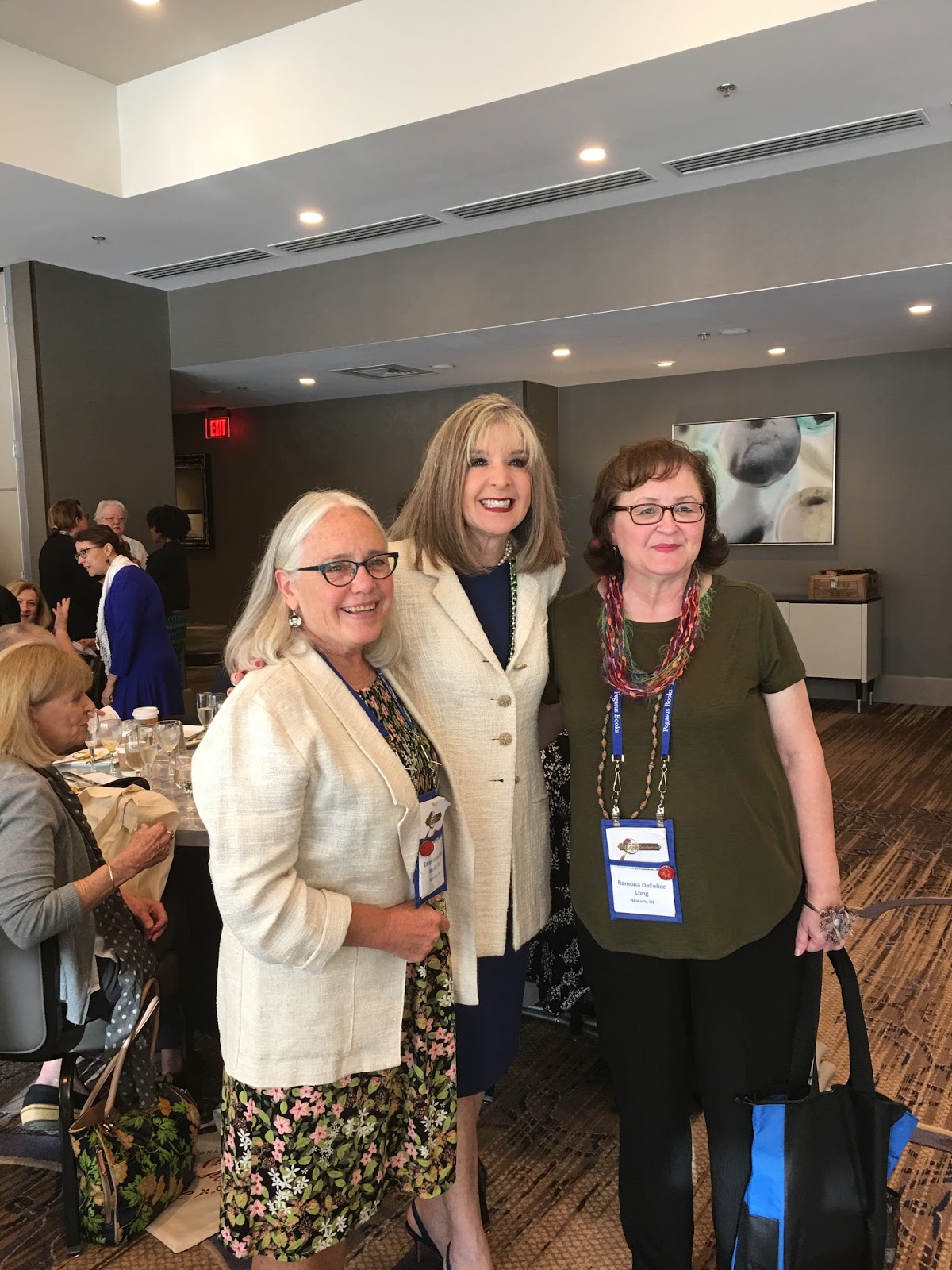
Edith Maxwell, Hank Phillippi Ryan, and Ramona DeFlice Long at Sinc Breakfast

Celebrations
and champagne (served at the Sisters in Crime breakfast, with founder Sara
Paretsky in attendance, and during at least two panels) were in evidence during
the conference. The following anniversaries were recognized: the 75th
year of Ellery Queen Mystery Magazine,
the 30th year of Sisters in Crime, and the 6th year of a
writing critique group including Donna Andrews, Ellen Crosby, John Gilstrap,
Allan Orloff, and Art Taylor.

The audience very much enjoyed sampling a liquid recipe
featured in Ellen’s upcoming novel, The
Champagne Conspiracy
.

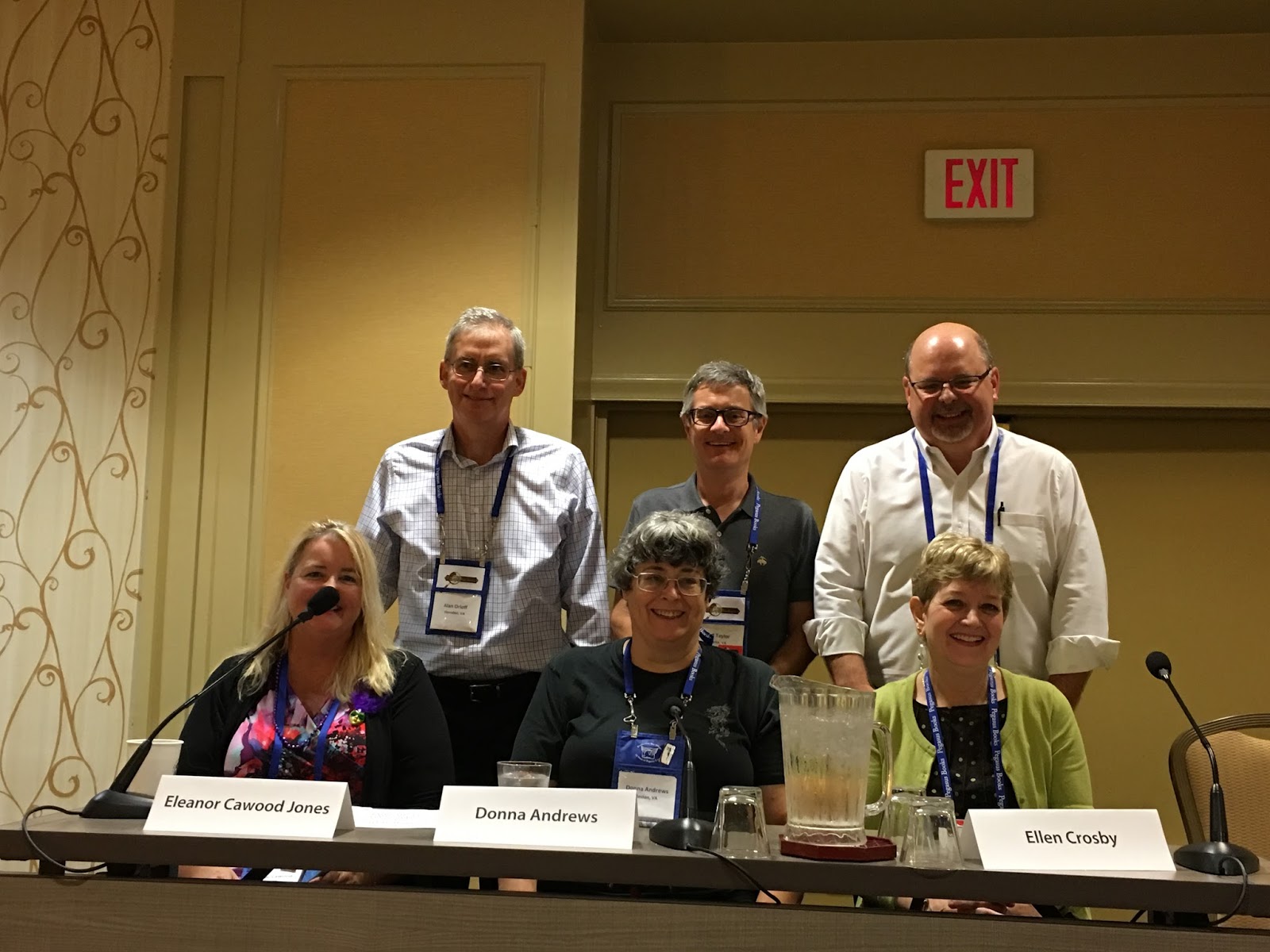
Eleanor Cawood Jones, Alan Orloff, Donna Andrews, Art Taylor, John Gilstrap, and Ellen Crosby

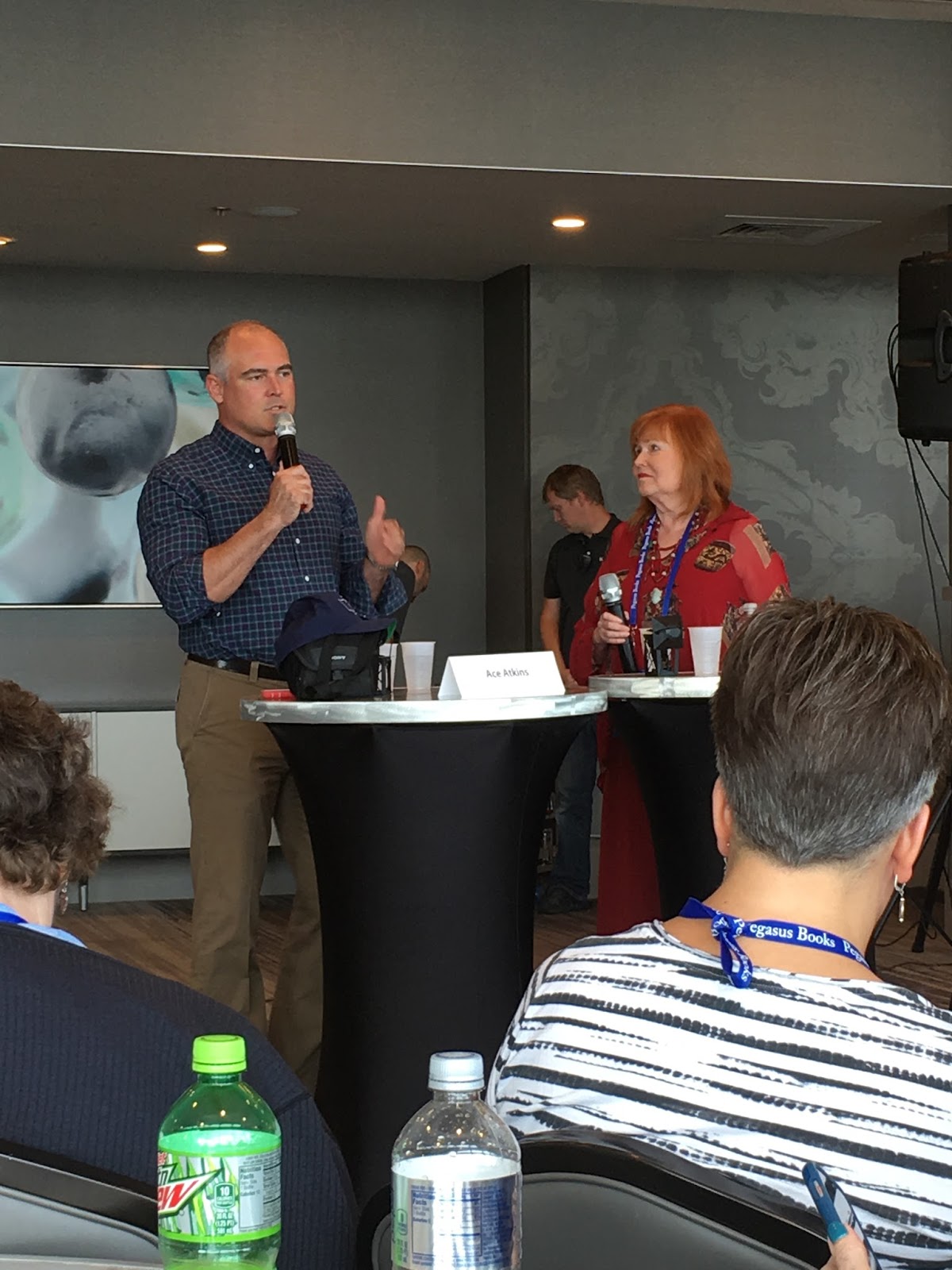
Ace Atkins interviewing Julie Smith

A
major topic of discussion, in both formal and informal settings, was
transitions in the publishing industry. Ace Atkins conducted an inspiring
interview with Julie Smith, whose Skip Langdon novels were my introduction to
New Orleans. Julie mentioned that she has found a new passion working in
publishing. When asked how that work could be a passion, she explained that she
had helped writers whose series had not been published in a number of years
come out with new work for readers to enjoy.

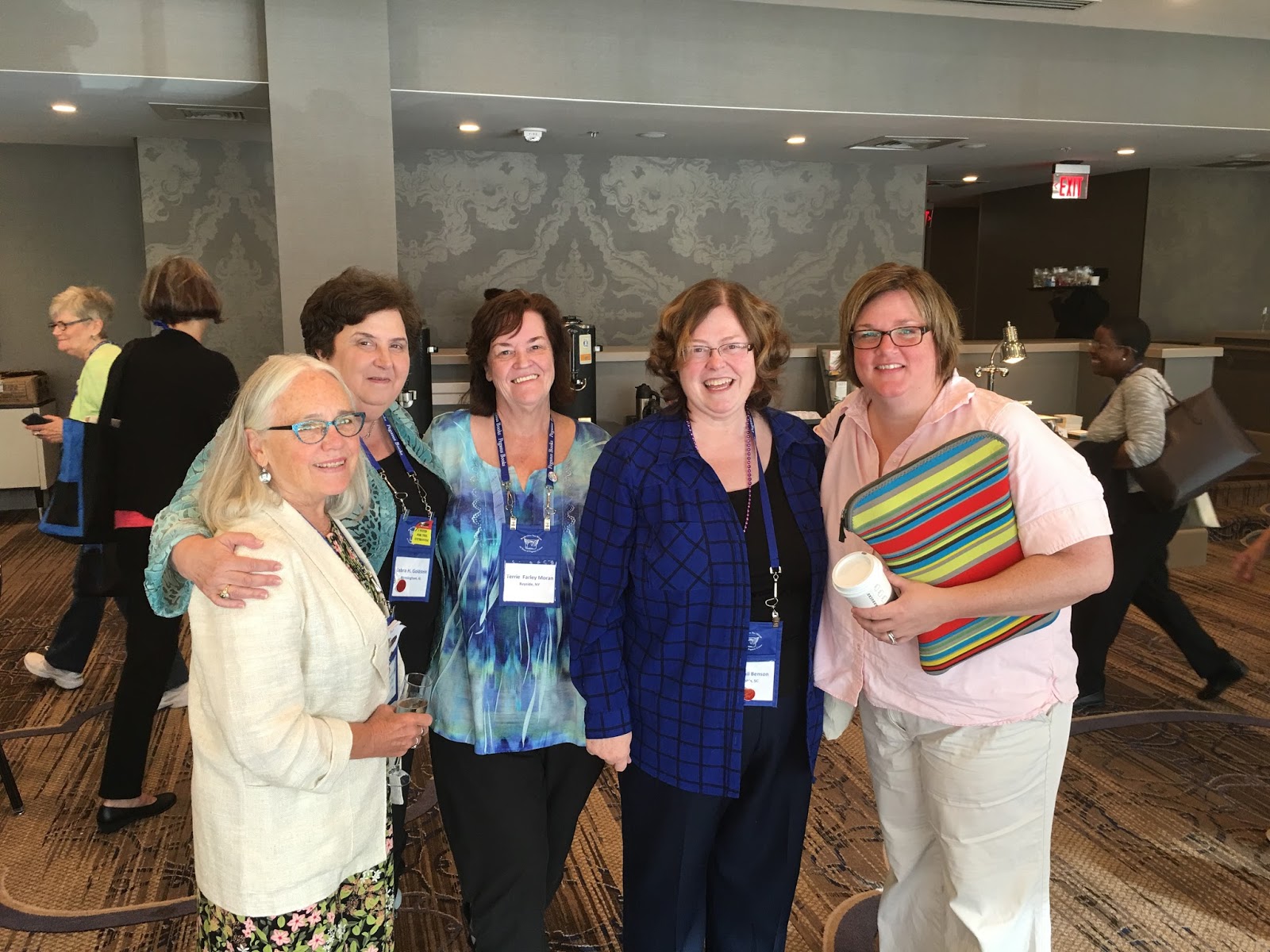
Edith Maxwell, Debra Goldstein, Terrie Farley Moran, PGB, and Lori Rader-Day

Having the
opportunity to revel in the company of authors and reconnect with dear friends
in a city that truly knows how to party was a fabulously memorable experience.
If you ask me what kind of shoes I’ve been wearing, I’ll have to answer
truthfully, comfortable ones. It takes a lot of walking to navigate Bouchercon
and New Orleans. Many thanks to all the organizers and participants. Now that I’ve
returned home, I can’t help but feel a bit of a glass slipper complex. Midnight
approaches and it’s time to return to normal life. Yet, in my heart, the party
lingers on. Let the good times roll!

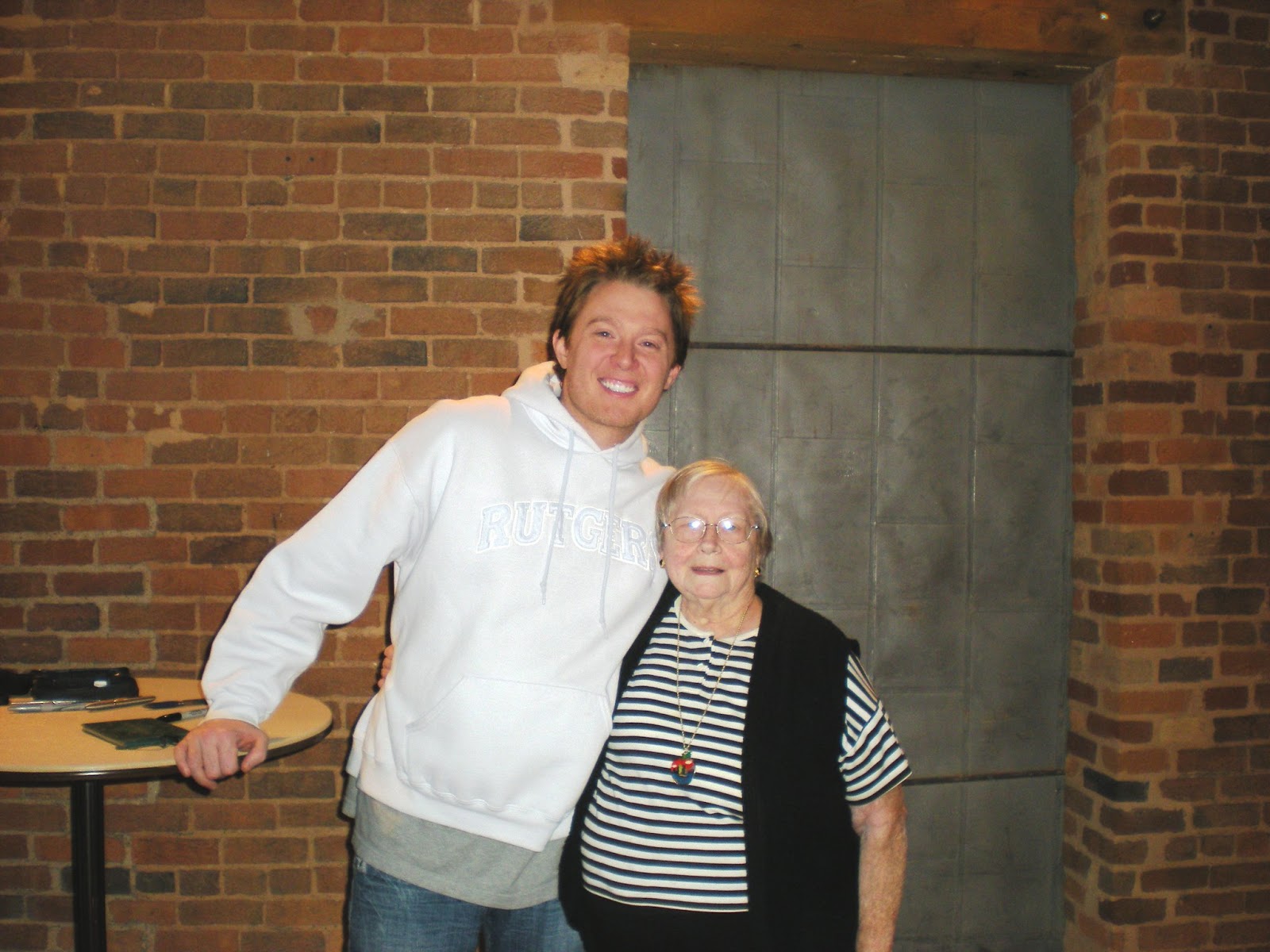
My friend, Libby Adams

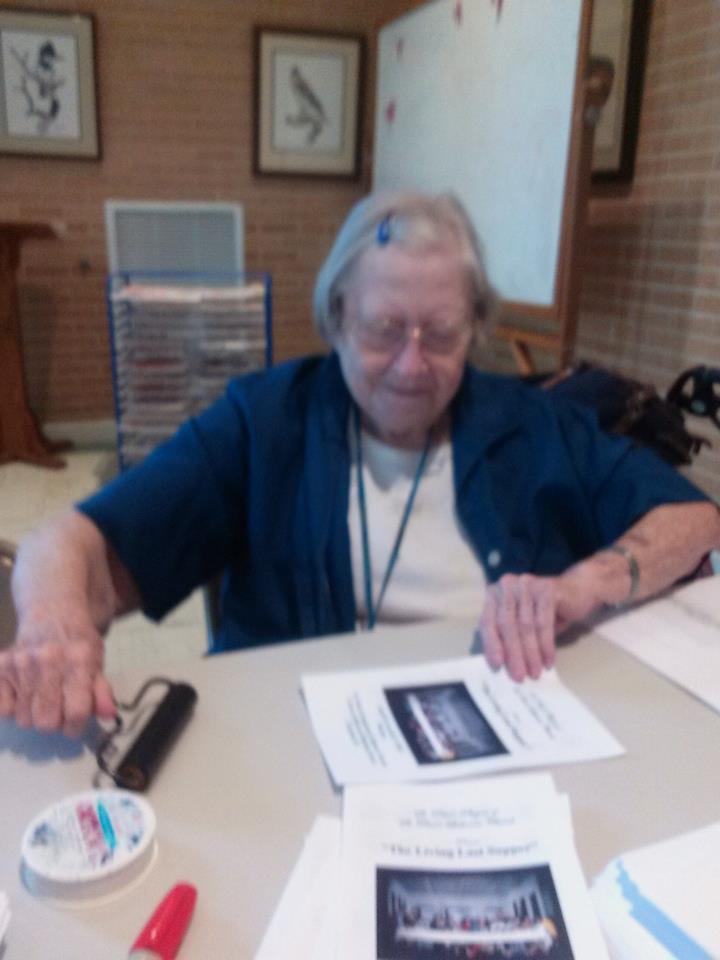
Libby Adams assembling programs for the St. Paul’s Players
Libby and her favorite fellow, Clay Aiken
Theater
is a collaborative art form. The diligent efforts of those seen and unseen
onstage are needed to create a production.

No
one exemplified this universal truth more simply and beautifully than my dear
friend Elizabeth Ann Step Adams, known to all as “Libby,” who left this world a
few weeks ago. If she could have lived until December 3, she would have been
89.

Libby’s
name appeared on theater programs for behind the scenes and supportive “roles.”
She was a “life member” at Workshop Theater, where she often ran the box office
and distributed tickets to patrons as they arrived for a performance. She
presided in the lobby with a happy smile, greeting people as they entered,
always remembering their names and families.

She volunteered
in Columbia and Sumter, South Carolina, theaters. She knew the names of all the
participants in the productions and had definite opinions about the plays being
presented. She was a keen observer and never hesitated to share her thoughts.

I
met Libby through John Henry, who worked side-by-side with her at Workshop’s
box office and who became the producer of the church productions I direct for
the St. Paul’s Players. John recruited Libby to help us out and she did so
happily, coming to fold programs and staying to be part of our audience.

Libby
always candidly told me what she thought about our shows, especially the ones I
wrote. I suspect her good friend John may have briefed her about some aspects
of the plays others had criticized. She always staunchly supported any disputed
choices I had made. I treasure a note she wrote to me one Christmas,
encouraging and supporting our drama ministry, which she considered unique in
the community.

During
the last few years, Libby, John, and I shared a group of seats for the “Broadway
at the Koger” series that brought traveling companies to Columbia. We watched
such diverse productions as Legally
Blonde
, Flash Dance, Once, and The Illusionists. When each performance was over, we’d head to the
nearby IHOP and evaluate it. Libby would comment specifically on the sets,
performers, sound quality, and directorial choices. We didn’t always agree on
our perceptions, but I had to admire the reasons she expressed for her
opinions. She thought it all out carefully and based her opinions on an
extensive background of watching theater.

Libby
survived her husband Grey and her son Steven, who she called Shay. She lived
alone with her cat. She remained independent until the end, calling a cab or
relying on friends if she needed a ride to an appointment or performance, but
managing her own life. She kept well informed about current events and
television. After watching him on American
Idol
, she became a devoted fan of Clay Aiken, traveling by train to see him
in performance in New York City.

When
John and I hadn’t been able to reach her by phone one day, John asked his
brother to stop by Libby’s apartment. He got no response and called the police
to investigate. They found her on her couch. We believe she just fell asleep.

On
the night I learned of her death, I had stopped for supper in a restaurant
before going home. I had just talked with John on the phone when a young man
came up to speak with me. He asked me if I remembered him. He had been in one
of my plays when he was a child. Now, he was ready for college and going to
Yale.

I
took the time to talk with him and his family. I remembered that Libby had seen
him in a Workshop Theater production and was so happy when he came to work with
us at the St. Paul’s Players. She always went out of her way to encourage young
people to be involved in the theater. She appreciated that the next generation
would continue the traditions.

Perhaps,
at least I like to think, that Libby facilitated my meeting that night with the
young man so I could continue her practice of encouraging the next generation
to support and advocate for the arts. I think she would consider that a fitting
tribute.

I
hope I can follow in her footsteps. She has big shoes to fill.

Rest
well, Libby.