Tag Archive for: Paula Gail Benson

WRITING MULTIPLE SERIES: Featuring Leslie Budewitz


This is
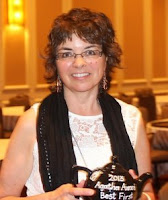
my second interview with an author who writes multiple mystery series. My guest
is Leslie Budewitz, current President of the national Sisters in Crime and a
founding member of the Guppy Chapter of SinC. Leslie is the first person to
have won Agathas for fiction and nonfiction.
Death al Dente, the first
in her Food Lovers’ Village Mysteries, won the 2013 Agatha Award for Best First
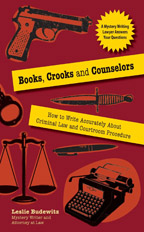
Novel. Her guide for writers, Books, Crooks & Counselors: How to Write
Accurately About Criminal Law and Courtroom Procedure
, won the 2011
Agatha Award for Best Nonfiction. Also, her essay is featured in Writes of Passage: Adventures on the Writer’s Journey edited by Hank Phillippi
Ryan (Henery Press)
, which
won Agatha and Anthony awards this year. Welcome, Leslie!

Thanks, Paula, for
including me in this series!
How did you initially
decide to write fiction?
I started writing at 4,
on my father’s desk. Literally – I did not yet grasp the concept of paper.
Fortunately, my parents were understanding, and kept me readily supplied with
pens and paper. Though while I always wanted to write, I didn’t think it was
something you could really do. But I was an avid reader, of course, and
someone was writing those books. In my mid-30s, during a difficult time, I
realized that someone could be me. I wrote the first chapter of my first novel
one afternoon in my firm’s law library. But the process of becoming a fiction
writer is a continual series of decisions – to keep writing, to work on the
craft, to learn about the business, and to persevere. So glad I did!
Now, I’m writing two
light-hearted or cozy mystery series. No graphic sex or violence, lots of
graphic food. In the Spice Shop Mysteries, Pepper Reece never thought she’d
find solace and comfort, let alone employment, in bay leaves, but running a
spice shop in Seattle’s famed Pike Place Market gives her a new zest for life –
until murder ends up in the mix.
The Food Lovers’ Village
Mysteries is set in NW Montana, where I live. After years away, Erin Murphy’s
come home to Jewel Bay, a tourist community on the road to Glacier National
Park. She remakes her family’s hundred-year-old grocery into the Merc, a
specialty local foods market and commercial kitchen used by the village
chocolatier, the jam maker, and other producers, including Erin’s mother,
Fresca, who makes pastas and sauces that Erin sells. While pursuing her passion
for pasta and huckleberry chocolates, Erin discovers a talent for solving
murder.
You have published
short stories. How did those help and continue to influence your career?
Honestly, I never thought
I could write a short story. They daunted me. How could I could tell a story in
less than 80,000 words? But I had a couple of ideas that were clearly short
stories, not novels, and when they came together, and then were published, they
gave me the sense that despite a lot of discouragement, I actually could write
fiction. At about that same time, I wrote my nonfiction book, BOOKS, CROOKS
& COUNSELORS: HOW TO WRITE ACCURATELY ABOUT CRIMINAL LAW AND COURTROOM
PROCEDURE (Quill Driver, 2011). In the process, I realized that as much as I
love helping other writers, I wasn’t through telling my own stories. And so, I
recommitted – that decision-making process again – and started my Food Lovers’
Village Mysteries.
Who publishes each of
your series and how did you begin writing each series?
I wanted to create a cozy
series and knew that food themes are popular. Mr. Right and I love to cook and
try new recipes, so I thought we had the culinary chops. The Food Lovers’
Village mysteries introduce readers to a surprising little village very much
like my own – a small town in a gorgeous setting with tremendous food, art, and
theater that delights the many visitors who have a very different idea of what
small-town Montana will be!
When I decided to start a
second series, I wanted a completely different setting. As a student at Seattle
University and later as a young lawyer, I fell in love with the Pike Place
Market and spent many happy hours eating my way through it. When I worked
downtown, I bought most of my produce, cheese, and baked goods there, along
with other treats. It’s a terrific setting for an urban cozy – a city within a
city – and readers seem to enjoy the trip as much as I do. Of course, I have to
go there regularly for research – by which I mean “eat.”
So while both series are
light-hearted, and feature women who work in food-related retail, the settings
are total opposites. I’ve worked hard to make the two women and the other
characters distinctive as well.
Both are published by
Berkley Prime Crime. And I must say, I would not have been able to make the
contacts to get the contracts without the support and encouragement of friends
I met through the Sisters in Crime Guppies chapter.
How many books do you
write in a year and what is your publication schedule?
This year is a bit of an
anomaly: By the end I will have written four books and published three. I hope
in future years to write and publish one a year in each series, giving me time
for a few more short stories and another project I have in mind.
Do you write under
more than one name? If so, was that by your choice or a publisher’s request?
No.
What “relationship”
do you have as author with each of your series’ protagonists?
Erin Murphy, the
protagonist of the Food Lovers’ Village Mysteries, is a lot like me in many
ways – she left her native Montana, then returned in her early 30s. She spouts
off snippets from plays and poems with little provocation. Jewel Bay, her
hometown, is a lot like the community where we live, so she lets me dive into
that theme of coming home, only to find that both you and the place have
changed more than you expected. I also get to share my love of this wonderful
state and a town that never fails to surprise visitors!
Pepper Reece, the owner
of the Spice Shop, is a Seattle girl through and through. She lets me indulge
and explore my love of the Emerald City. We both fit the “life begins at 40”
cliché, and as with Erin, I find it a lot of fun to explore an aspect of my own
life through the life of a younger woman with her own talents, quirks, and
choices.
Both love to cook and
eat, and that makes us all great companions!
Setting has an
important role in each series you write. What is your approach to developing a
setting that fuels the story and draws in readers?
It’s all about the details
– finding the right ones that create a picture and evoke a mood and flavor for
readers who may never have been to the place you’re describing or one like it.
And you’ve got to know when enough is enough – don’t describe a place unless
it’s actually important to the story. Setting a book in a real city – Seattle –
is challenging because I want to get it right, and darn it, it keeps changing,
as cities always do. Many people know Seattle – 10 MILLION people visit the
Pike Place Market every year. So I do a lot of research. I keep maps on my wall
and guides to the city close by. I read Seattle newspapers and blogs, and
consult friends who still live there.
Jewel Bay is an easier
place to write about because while it’s modeled on a real village, it is ultimately
a place of the heart.
Is it a challenge to
keep coming up with original and inventive plots? How do you do it?
Drink wine and eat
chocolate. Seriously, I can only hope that I don’t repeat myself or draw too
heavily on the conventions of the genre. Ultimately, plot comes from the
characters – what do these people want, and what will they do when they don’t
get it. The people are the heart of the story.
Since at The Stiletto
Gang we like to delve into shoes and accessories, what are your protagonists’
favorite foot or carrying apparel? (Pictures are welcome!)
Erin counts on her lucky
red boots, and Pepper her pink shoes. I don’t actually own either pair – they
are their own women, after all – but I envision Erin’s boots like these pictures.

Painting by Leslie’s friend, Bigfork artist Nancy Dunlap Cawdrey

Thanks for having me at the Stiletto Gang today. I’d be delighted to give a
copy of GUILTY AS CINNAMON and an adorable gingerbread man tea infuser to a
commenter!
  

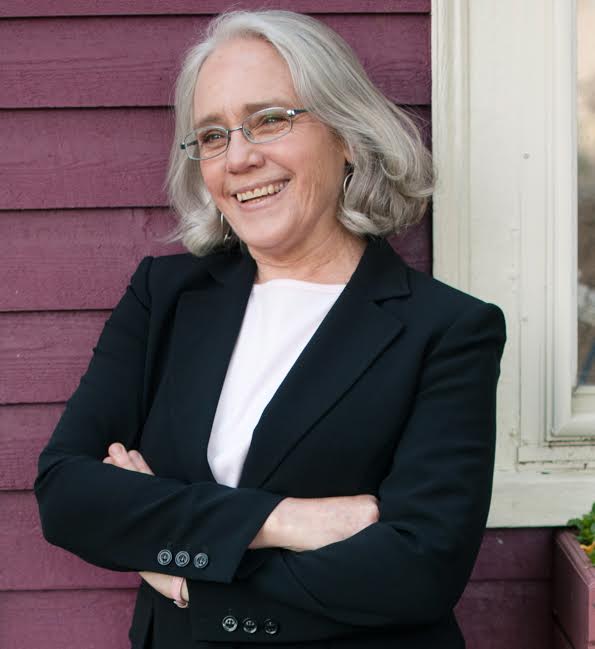
A Montana native, Leslie graduated
from Seattle University and Notre Dame Law School. After practicing in Seattle
for several years – and shopping and eating her way through the Pike Place
Market regularly – she returned to Montana, where she still practices law
part-time. Killing people – on the page – is more fun.

Leslie
loves to cook, eat, hike, travel, garden, and paint
not necessarily in that order. She lives in
northwest Montana with her husband, Don Beans, a singer-songwriter and doctor
of natural medicine, and their Burmese cat, Ruff, a book cover model and an
avid bird watcher.

WRITING MULTIPLE SERIES: Featuring Edith Maxwell


With this post, I’m beginning to interview authors who write multiple mystery series. My first guest is Edith Maxwell, also known as Tace Baker and Maddie Day, who writes the Lauren Rousseau, Local Foods, and Country Story Mysteries. Her newest series, featuring an 1880s Quaker midwife debuts in April. Welcome, Edith!
Paula, thanks
so much for having me on the blog, and for asking such intriguing questions! I’m
delighted to be here again.
How did you initially decide to write
fiction?
I wrote stories
as a child and then pretty much gave up creative writing for a few decades. It
was my now ex-husband who said, when our younger son had gone off to
kindergarten and I had every morning to myself for the first time in five
years, “You like to read mysteries so much. Why don’t you write one?” Bingo. I
had a small organic farm but didn’t grow anything in the winter, so I set to
work writing a mystery set on an organic farm.
You have published short stories. How
did those help and continue to influence your career?
After I spent
about nine months writing about two-thirds of a mystery novel (which ended up
being my first Local Foods mystery nineteen years later), I reentered the paid
work force. I had a full-time job as a technical writer, with a commute, and
two little boys to raise. I couldn’t really carry a plot and all the characters
of a novel around in my head and write about them during the few snatches of
time I had to myself. Instead I started writing short stories and kept honing
my craft with those until my life opened up enough to write novels again
fifteen years later. Several of my short stories were published in juried
anthologies, and that gave my resume a boost when I proposed a cozy series to
my agent. “Just Desserts for Johnny,” which was inspired by a bad encounter
with a fraudulent press, was published in Kings River Life Magazine and then
was nominated for an Agatha Award for Best Short Story this year!
Who publishes each of your series and
how did you begin writing each series?
When I was laid
off my tech writing job, I started writing my first Lauren Rousseau mystery, Speaking
of Murder
. Barking Rain Press published it almost four years later, and
then published Bluffing is Murder, too.
The Local Foods
Mysteries came about when John Talbot contacted our New England Sisters in
Crime chapter and said he wanted to work with authors to develop cozy mystery
proposals. I queried him about a series set on an organic farm (see above). We
worked on the proposal together and he sold it to Kensington within a week in a
three-book deal. After I wrote Book Three (Farmed and Dangerous), I
proposed the Country Store Mysteries to my Kensington editor. He not only
bought it, also in a three-book deal, but renewed the Local Foods series for
two more books.
I live in an
historic New England town and am a Quaker, and I felt a real calling to write a
series with a Quaker midwife set in the late 1880s. Somewhere in between other
books, I wrote the first in the series, Delivering the Truth, plus a
three-book proposal, and we sold that to Terri Bischoff at Midnight Ink.
How many books do you write in a year
and what is your publication schedule?
I am letting
the small-press Lauren Rousseau Mysteries go dormant, so I now write three
books a year. Two are on a yearly schedule, due January 1 and May 1, but the
Country Store series are on a seven-month schedule. If you think you just heard
a little scream of panic, you are correct, because the due dates sometimes get
kind of nuts. For example, in 2016 I have books due in January, March, and May.
To cope with this I write ahead and work as hard as I can. The January book, Breaking
the Chain
, is all done and I’m halfway through the March book, When the
Grits Hit the Fan
. And I try to remember to breathe! I did leave my day job
two and a half years ago, which is the only way I could pull this off.
Do you write under more than one name?
If so, was that by your choice or a publisher’s request?
The first
Lauren Rousseau mystery was almost accepted by Barking Rain Press when I was
reading my first Kensington contract. It stipulated essentially that I couldn’t
publish any other mysteries as Edith Maxwell, so I convinced them to let me use
a pen name, Tace Baker.
When they
offered me the Country Store Mysteries contract, Kensington said they wanted me
to use a pseudonym. Not my choice, but I wasn’t about to turn down the contract
only for that, so Maddie Day was born. Luckily, the Quaker Midwife Mysteries
are coming out written by Edith Maxwell.
What “relationship” do you have as an
author with each of your series’ protagonists?
Each of my protagonists
have traits, practices, or skills that come from a piece of me or my past. I
love resurrecting some of the things I used to do and now either don’t or can’t.
Lauren is a contemporary Quaker, a linguistics professor, and a runner, the
latter two both things I did in the past. Cam Flaherty is an organic farmer,
and now I get to be back in that world without doing all the hard work of
digging, planting, and harvesting. Robbie Jordan lives in southern Indiana
where I lived while earning a PhD in linguistics, and she’s originally a
Californian, like me. And Rose Carroll, my 1888 midwife, lets me back into the
world of pregnancy and childbirth, which I used to teach to expectant parents
in my living room. She and John Greenleaf Whittier worship in the same lovely
simple Meetinghouse where I walk to worship on Sunday mornings, and Rose lives
in my house, built 1880. I am fond of each of these gals and I get excited when
I can jump back into their lives and start a new story.
Setting has an important role in each
series you write. What is your approach to developing a setting that fuels the
story and draws in readers?
You’re right
about the importance of setting. Whether the 1888 mill town and Carriage
Capital of the World, the academic campus and coastal town of Lauren Rousseau’s
world, the organic farm and small rural Massachusetts town it’s in, or the
scenic hills of Brown County with the local dialect more Kentucky than Indiana
– they each inform the stories and govern how my protagonist acts. These are
all places I either live in or have lived in, although the town of South Lick,
Indiana is entirely fictional. Each of my series would be very different if it
were set elsewhere.
Is it a challenge to keep coming up with
original and inventive plots? How do you do it?
So far plots
have just sort of come to me, and I sure hope that keeps happening. I often
envision the victim and the murder weapon first, and then think about how I can
make that work. Sometimes I don’t know which of the several suspects is the villain
until well into first draft. I will say that attending talks by the Poison
Lady, Luci Zahray, has been instrumental in giving me ideas for murder weapons.
<grin>
Since at the Stiletto gang we like to
delve into shoes and accessories, what are your protagonists’ favorite foot or
carrying apparel?
Cam wears work
boots on the farm, of course, but when she cleans up she likes to put on her
turquoise cowboy boots. She carries a messenger bag decorated with
hand-stenciled crows. Robbie wears sneakers when she cooks breakfast and lunch
in her restaurant, and pairs fun ankle boots with a swirly skirt when she goes
to a party or knee-high leather boots in winter. And Rose wears simple lace-up
shoes (what we would call boots today) and nearly always has her birthing
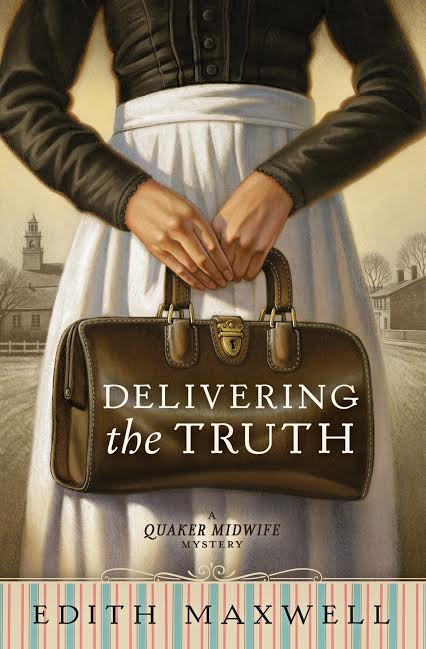
satchel with her when she goes out (which you can see on the gorgeous cover of Delivering
the Truth
– out in April!).

Thanks again
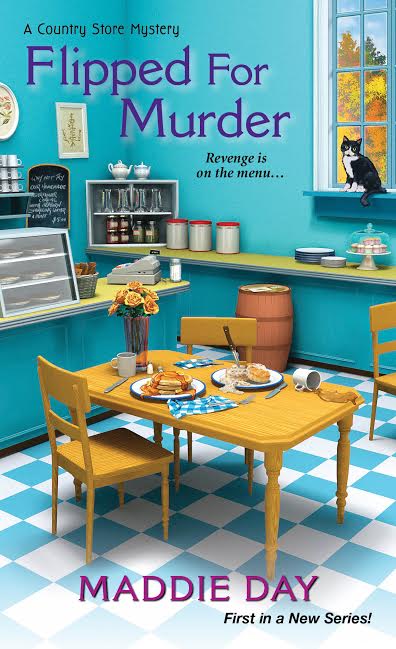
for having me. I’d be delighted to give away a copy of Flipped for Murder
to one commenter here.
Artist depiction of Edith writing with a scene from one of her novels in the background
Amazon-bestselling and Agatha-nominated author Edith
Maxwell writes four mystery series, as well as award-winning short stories.
Maxwell’s Country Store
Mysteries, written as Maddie Day (Kensington Publishing), debuts with Flipped
for Murder
in October, 2015. Farmed and Dangerous is the latest in
Maxwell’s Local Foods Mysteries series (Kensington Publishing, 2015). The
latest book in the Lauren Rousseau mysteries, under the pseudonym Tace Baker
(Barking Rain Press, 2014), is Bluffing is Murder. The first in Maxwell’s
historical Quaker Midwife Mysteries series, Delivering the Truth, will
debut in April, 2016 (Midnight Ink).
Maxwell lives
in an antique house north of Boston with her beau and three cats. She blogs
every weekday with the other Wicked Cozy Authors (wickedcozyauthors.com), and
you can find her at
www.edithmaxwell.com, @edithmaxwell, on Pinterest, and at www.facebook.com/EdithMaxwellAuthor.

Interviewing Short Story Writers

Alice Munro’s winning the 2013 Nobel Prize in Literature brought
notice to the thriving short fiction community. Due to electronic publishing
and online markets, the opportunities for placing short stories have
multiplied. Authors are encouraged to write stories involving recurring
characters in order to keep readers satisfied while waiting for the next book’s
release.

Consider Robert Dugoni. He became a New York
Times bestselling novelist writing about David Sloane, the lawyer who cannot
lose, featured in five novels, The Jury
Master
, Wrongful Death, Bodily Harm, Murder One, and The
Conviction
.  Robert’s new protagonist
is former teacher and current homicide cop Tracy Crosswhite who appears in My Sister’s Grave and Her Final Breath, which debuted in
September. Prior to the release of each Tracy Crosswhite novel, Robert
published short stories about the character as Kindle shorts. In “The Academy,”
Tracy makes the transition from being a teacher to law enforcement trainee. She
encounters resistance from patronizing detective Johnny Nolasco, who she
continues to contend with in the novels. She also has an opportunity to
demonstrate her shooting skills and people managing capabilities. In “Third
Watch,” Tracy has joined the force and finds herself alone responding to a
critical situation. Robert bases both of his shorts in a time period prior to
Tracy’s novels so he can allude to what she has to face without having to work
around “spoilers.”

Because short stories are eligible for awards, they offer
not only writing credits, but also the ability for an author to develop a
higher profile in the writing community. The Short Mystery Fiction Society
offers free membership through its website. In addition to a very informative
list serv and opportunities to meet other members at mystery conferences, the
Short Mystery Fiction Society presents the prestigious Derringer Awards,
honoring different lengths of mystery shorts, each year at Bouchercon.

The encouraging aspects of writing
short stories are: 

  • You can write a story in a shorter time frame than a
    novel.
  • You don’t need an agent to submit.  
  • You hear fairly quickly if your story has been accepted
    or rejected. Sometimes you may even be able to receive feedback and
    editorial assistance.

On the down side, crafting a short story may be as complex
as developing a novel, renewed interest in the market has increased the
competition, and the few markets that pay are not lucrative.

Personally, I’ve benefited greatly by submitting and being
published as a short story writer. I’ve learned about the craft and discipline
of writing and met some phenomenal authors. I asked my blogging partners here
at The Stiletto Gang if I could invite some short story writers to be
interviewed and the SG regulars were kind to agree. If you write shorts
and would like to participate in our impromptu series let me know. I’m looking
forward to introducing you to these talented authors and showcasing their work.

Celebrating Author Susan F. Craft

I met Susan F. Craft when
I joined the local Inkplots critique group. She spent a lifetime wanting to be
a writer. She has said,
“I
cannot remember a time when I did not want to write. Somewhere in my attic I
have a book,
The
Mystery of the Whistling Cave
, which I wrote and bound myself when I was eight and
enthralled with Nancy Drew.”

She developed a special
love of history in school and, according to her bio, “
researches her novels with the same excitement as Alan
Quartermain hunting for King Solomon’s Mines and with the persistence of Lewis
and Clark enjoying the chase when a clue leads her from one ‘treasure’ to the
next, to the next.”
I have seen her give fascinating
presentations where she brings a treasure chest of items she has acquired in
research efforts. She enthralls audiences telling about her discoveries.

At the University of
South Carolina, she received
a
degree in Broadcast Journalism, then had a distinguished 45-year career that
included working for SC Educational Television, the SC Department of Mental
Health, the SC College of Pharmacy, and the SC Senate. Her first novel, which
she self-published with her own cover art, was A Perfect Tempest, a civil war story that took place on the grounds
of the State Mental Health Hospital, known at that time as the South Carolina
Lunatic Asylum. Then, a small regional publisher released her Revolutionary War
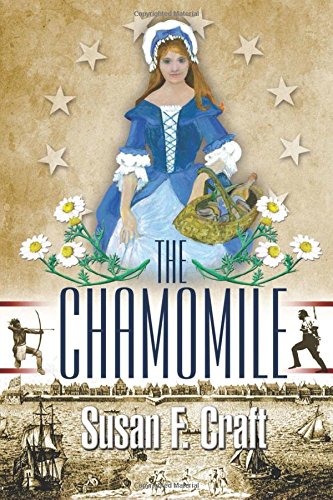
romantic suspense, The Chamomile, which
also featured her cover art and won the
respected
Southern Independent Booksellers Alliance’s Okra Pick Award in 2011.


This year, in January and September,
Lighthouse Publishing of the Carolinas released the two post-Revolutionary War sequels,
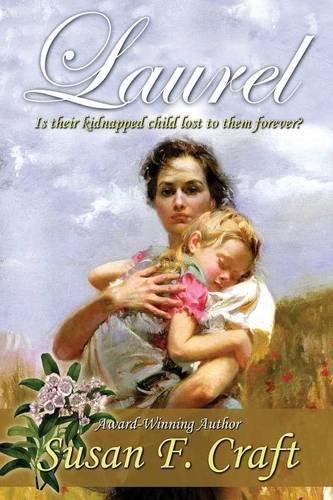
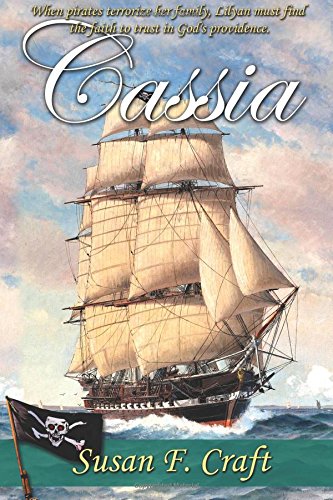
Laurel and Cassia, as well as acquiring the rights for The Chamomile and offering them as the Xanthakos family trilogy. In
addition, Lighthouse employs Susan as an editor for other books, including The Yuletide Angel, by Sandra Ardoin.

In doing research for The Chamomile, Susan contacted members
of the Long Riders’ Guild to learn more about a lengthy journey on horseback,
which led to the organization asking her to write
A Writer’s Guide to Horses, available on the website of the Long Riders’ Guild Academic
Foundation, www.lrgaf.org. The
Guide provides authors with comprehensive information to help them
accurately portray horses and riders in their works.

Susan
is married Rick, her high school sweetheart and now husband of more than 45
years. They have two wonderful adult children, an adored granddaughter, and a
very special granddog named Steeler, who became the inspiration for a
protective mastiff character in Cassia.

Like
many people, Susan has a bucket list. “So far, I have screamed my way down the
Nantahala River whitewater rafting (although the screaming part was not on the
list); I parasailed (breathtaking experience); I scheduled a hot air balloon
ride, which, sadly, was cancelled due to bad weather (this greatly relieved my
sister whom I had cajoled into going with me); and I fulfilled a lifelong dream
to learn how to play the drums by joining the University of South Carolina New
Horizons Band. The clarinet is next, I think, as the percussion instruments are
too heavy to haul around. I want to visit at least ten national parks, take a
mule ride through the Grand Canyon, ride a gondola in Venice, and visit a
winery in Tuscany, Italy.”

Represented by Linda S. Glaz, Hartline
Literary Agency, Susan has become a dear friend who always is ready to offer
support and encouragement. I’m celebrating her great success and looking
forward to reading her future endeavors.


State of Hope


Phyllis A. Whitney

I am
constantly looking for a writing craft book or article, organized notebook,
online class, or writing conference that will bring all the elements together
to make me the writer I want to be. I search the computer and scope out the
writing sections of bookstores and libraries, certain the magical resource is
out there if only I can locate it.

Perhaps this
continuing optimism comes from the memory of discovering Phyllis A. Whitney’s
books that gave me a step-by-step writing process and helped me to focus on the
craft of creating a story. I will never forget my aunt giving me a copy of
Whitney’s Guide to Fiction Writing (Boston,
MA: The Writer, Inc., 1982) (which she bought as a selection from her book-of-the-month
club). I consider it a prized possession. That gift let me know my aunt shared
my vision, believed in me as an author, and supported my dream.

While some of
Whitney’s advice doesn’t match the current publishing industry, other pearls of
wisdom are timeless:
(1)   
On why she does not need to apologize for
following a “formula” for mystery writing: “Having found my niche, I’ve worked
out a pattern that enables me to venture within its broad boundaries and never
find myself bored.” (p. ix)

(2)   
“Perhaps opportunity is like a train on an
endless track. Now and then it makes a stop at your station, often without
fanfare and without warning.” (p. 4)

(3)   
“What you do now
counts. . . . Work and wait and learn, and that train will come by. If you give
up, you’ll never have a chance to climb aboard.” (p. 9)

(4)   
“[W]e all write somehow – making time – and habit grows strong with practice. The challenge
is always the same: How much do you
want to write? Not just to be a writer, but to
write
.” (p. 12)

(5)   
“[Y]ou must develop your own writing pattern.”
(p. 12)

(6)   
“[Y]ou’ll learn to use what comes, good and bad,
and it will become part of whatever you are, and find its way under many
disguises into your work.” (p. 13)

(7)   
“[D]evelop the habit of observation and
analysis.” (p. 13)

Maybe my
favorite part of the book is Chapters 3 and 4, where Whitney explains how she
sets up her own notebook for writing a novel. Chapter 3 covers “the
Preliminaries” and proposes the following divisions for the writer’s notebook: a
calendar (to measure progress); a list of potential titles; a chronology in two
parts, the first listing a chapter-by-chapter summary and the second providing
information about characters and story events; and a section to explore theme
and situation.
In Chapter 4,
she gets to “the Heart of the Matter.” The notebook sections described are for:
plotting, characters, an outline, material to be checked (including matters for
research as well as details to be verified), a bibliography of sources
consulted, research notes, background unique and perhaps created for the novel,
and a collection of potential names.

Some of the
sections in Whitney’s notebook are specific for a single work while others may
be continued through several works. She offers her method as a system that
works for her and may be adapted by other writers to suit their practice.


The second
part of Whitney’s book is about structuring a story and has chapters explaining
how to deal with the beginning, middle, and end; add suspense and emotion;
create intriguing characters; deal appropriately with time, transitions, and
flashbacks; and revise. The shortest chapter provides advice on getting the
book published.

At the end,
Whitney says, “This is a book about writing.
I hope it’s a book you will mark up and use – as I do my collected books on
writing. I hope as well that you’ve found in it some of the encouragement we
all need to keep us going.” (p. 140)

How amazing
that Whitney’s voice continues to humbly reach out to future generations
seeking the same type of career she achieved through hard work, persistence,
and taking advantage of any luck that came her way. No wonder Whitney has been
viewed not only as a grand master of the craft, but also a great supporter of
the profession. She’s an incredible role model.

Have you
found the “perfect” method? Are you willing to share it? Who’s your role model?

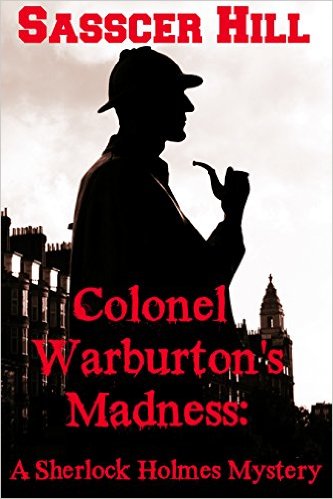
Sasscer Hill: Racing toward a New Series


Sasscer Hill

Sasscer
Hill’s horse racing mysteries have been compared with those of Dick Francis.
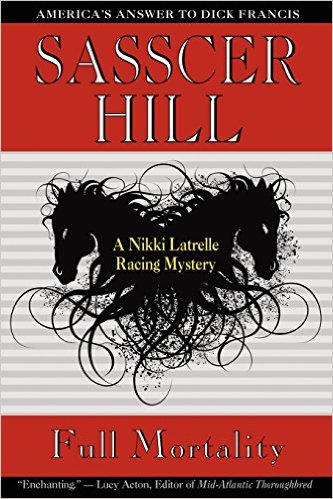
Her debut novel, Full Mortality, was
nominated for an Agatha and a Macavity. She has written additional novels
featuring Nikki Latrelle and also published a number of short stories.
Recently, she signed a multiple book deal with St. Martin’s Press Minotaur
Books for a new series.
Welcome, Sasscer, to The Stiletto Gang. Tell us about
your background and how you began writing mysteries.
Hi, Paula, I’m honored to
have been invited to speak with The Stiletto Gang readers today.
Mysteries have always been my favorite fiction genre. As a youngster, I
loved the Nancy Drew books and read all the Sherlock Holmes stories.
I also loved horses, action, and
adventure. Naturally, I discovered Walter Farley’s Black Stallion books and became addicted to them as soon as I could
read.
Since
mysteries were my favorite genre growing up, from Dick Francis to
Josephine Tey, if I was going to write, mystery writing was my natural choice. But
like so many of us, I got an office job after graduating from college (Franklin
and Marshall), and the mystery writing never had a chance until later in life. I
spent twenty years working in marketing and promotions for several
Washington, DC associations, and two different academic book publishers. I
managed to
start
a romantic suspense novel while I was still working, but when the novel was
completed—and soundly rejected—I soon realized I had a lot to learn if I wanted
to be a published author. I took classes at the Bethesda Writer’s Center in
Maryland, near DC. After some eye-opening courses, I wrote FULL MORTALITY,
later published by Wildside Press.
In the last few years, you’ve made significant changes
in your life by selling your family home in Maryland and moving to South
Carolina. How has that affected your writing?
I lost most of 2012 and the beginning of 2013 to
selling the farm that had been in my family for over two hundred years, my
horses, and moving to Aiken and setting up a new home and life. Once I got
settled in 2013, I wrote the novel with the working title FLAMINGO ROAD and
more than 50,000 words of my WIP, THE DARK SIDE OF TOWN. My life is easier and
far more convenient since the move, giving me more time to write. I love living
in Aiken where I am surrounded by horses, clean air, and very little traffic or
crime.
What made you decide to write a new series?
I had no choice. By the time I finished the third book in the Nikki Latrelle series for
the small Wildside Press, I’d learned New York publishers were not interested
in a new book in a series that was already in the hands of another
publisher–unless, of course, the series had been blessed with tremendous sales.
A word to the wise: you are unlikely to get tremendous sales when publishing with
a small press.
I was lucky enough to secure a
savvy, reputable agent who told me
if I wanted a bigger publisher, hopefully one of the “Big Five,” I had
to start a new series. So I did, creating “Fia McKee.”
Describe your new protagonist, Fia McKee. How is she
like and different from Nikki Latrelle?
Fia McKee is a thirty-two-year old agent for the
real life agency, Thoroughbred Racing Protective Bureau (TRPB.) She has more
life experience than twenty-three-year-old Nikki Latrelle, who was always
hoping to avoid involvement in altercations or stressful events. Fia, on the
other hand, strides in with her eyes open. She was a patrol cop and undercover
agent for the Baltimore City PD, and has already seen much of life’s horrors.
Nikki Latrelle had a horrific
childhood, and wants only to leave all that behind her. Fia’s childhood was
great until her mother walked out on her when she was fifteen and her father
was murdered. She became a cop because of the anger that burned inside her at
the injustice of her father’s unsolved murder case.
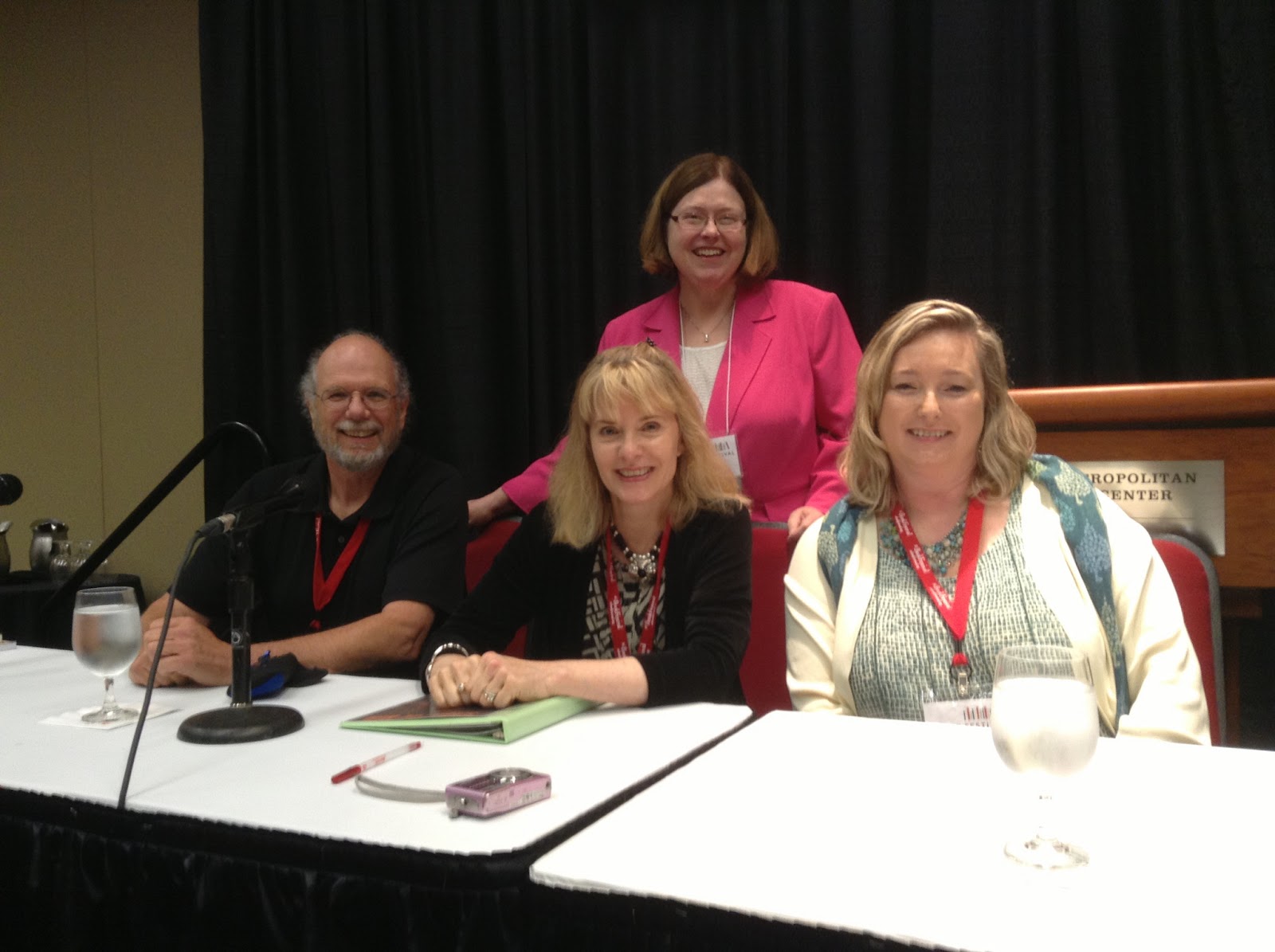
James M. Jackson, Sasscer Hill, PGB, and Susan M. Boyer at 2013 SC Book Festival
 Your second Fia McKee mystery just won First Place in the Carrie McCray 2015 Competition for First
Chapter of a Novel.
Tell us about your journey in getting the two book
deal with St. Martin’s Press, Minotaur Books and when the books will be
available.
As I write this, the St.
Martins contract is being finalized, and I do not yet have a publication date.
Believe me, Paula, you’ll be the first to know!
I finished the manuscript with the working title FLAMINGO ROAD around
August of 2014. I started the second in the series in October of 2014. My agent
began shopping FLAMINGO ROAD in December of 2014. When an editor at St. Martins
Minotaur showed interest in FLAMINGO ROAD, but with some reservations about the
public’s interest in a horse racing novel, I immediately went to work.
Jenny Milchman, Sasscer Hill (VP of Palmetto Chapter of SinC), and Suze Maze at 2015 SC Book Festival
 Phone calls and research
provided me with statistics on the strong popularity of horse racing. I cited
things like NBC’s unprecedented ten-year extension agreement to broadcast
rights to the Breeders Cup weekend races. I wrote about the recent ESPN poll
showing horse racing is the most popular non-team sport, beating out tennis,
boxing, and even NASCAR. How England’s three-day Cheltenham Racing Festival had
the biggest attendance in history this past March. My agent sent all of it to
the St. Martins editor.
Then the stars aligned like
magic. I received the Carrie McCray award for the second book in my new series.
The Nikki Latrelle series drew an extraordinarily favorable review from
racing’s leading turf writer and racing analyst, Steve Haskin. At the end of
this lovely endorsement he wrote, “Dick Francis lives!” And most amazingly, a
horse named American Pharoah broke a thirty-seven-year Triple Crown drought
wide open with 22 million television viewers, tremendous press, and a cover photo
on Sports Illustrated. I received an
offer the next day.
Wow, what a wonderful whirlwind! Now that you’re busy
with the new series, will you have time to write more short stories?
I honestly don’t know.
What advice would you give to writers and aspiring
writers?
Never give up.
Learn your craft, but follow
your heart.
Always be kind and gracious–think Hank
Phillippi Ryan. Remember, you
never know if the person
you are talking to might hold the key to unlock a door you haven’t been able to
pass through.
Know your market. Have a list
of who might buy your book.
Join groups, but don’t let
them take too much of your time.
Nothing is as important as
writing.
Network, but do so within
reason. See previous sentence.
When you go to meetings note
(A) writers you like and admire. Also, note (B) writers you don’t like or
admire. Tip: Be sure not to behave like the B writers!
Sasscer, thank you for being with us and many
congratulations on your much deserved success. We’re looking forward to reading
your new series!

Writing Fitness

In
January, I wrote a blog about “Resolution as Metaphor” where I spoke about my
two New Year’s resolutions (to carry less in my purse and drink more water) and
wondered what those resolutions said about me. I decided, “Lightness and water
are two ideas associated with movement and flow. They enable the journey and
keep the adventurer fueled to seek new possibilities.”

Currently,
I’ve been reading Jordan Rosenfeld’s A
Writer’s Guide to Persistence
(Writer’s Digest Books 2015). Most of the
chapters conclude with two sections, a “Work It” segment that provides ideas to
consider about your writing practice and routines, and a “Move It” segment that
offers suggestions for adding movement to a writer’s sedentary lifestyle. In her
first “Move It” segment (p.10), Rosenfeld points out, “Any time you’ve been
sitting for an hour or more, your body makes preparations to go into ‘shutdown’
mode—essentially it’s preparing for death. Yikes!”

Yikes,
indeed!

An
online article from Women’s Health
discussed how the “sitting disease” can lead to heart disease and obesity and
perhaps shorten your life. The article indicated that long periods of sitting
may (1) cause fluid buildup in your legs leading to sleep apnea; (2) encourage
fat cells in your body to create twice as much fat; (3) cause blood sugar to
spike after meals; (4) decrease brain activity, giving you more senior moments;
and (5) make blood flow more sluggish, increasing the possibility of developing
blood clots in the lungs. (See The Risks of a
Sedentary Lifestyle: Stand Up for Your Health
by Tracy Erb Middleton,
published August 6, 2012.) The article suggested: “The key to fighting sitting
disease lies in augmenting your routine with something called NEAT, or
nonexercise activity thermogenesis. Translation: low-impact movements that keep
your metabolism humming and your circulation flowing.”

Writing fitness was addressed recently in a guest
message
on Lois Winston’s Anastasia Pollock blog by Kay C. Burns, a
registered nurse who writes suspense mystery. Kay also mentioned that writing
for long periods without breaks can lead to backache, eye strain, wrist strain,
general weakness, headache, fatigue, isolation, and depression. She recommended
that writers get sufficient sleep, stay hydrated, eat healthy, stay active, control
weight, and manage stress. She quoted author C. Hope Clark, who in her book The Shy Author Reborn and an
online post
for Colleen M. Story’s blog Writing
and Wellness
emphasized that keeping healthy was essential to good writing.
Hope’s routine included getting plenty of sleep, drinking lots of liquids,
gentle exercise, and socializing
.

Ernest
Hemingway, Thomas Jefferson, and Winston Churchill all were supposed to have
written while standing. In his letters, Kurt Vonnegut mentioned that he walked,
swam, and did push ups and sit ups.

In a
2006 online article titled “Exercises for Writers and Other Desk Slaves,” Elsa
O’Neal suggests some gentle movements based on yoga poses to help vary the
position of tired eyes, necks, wrists, fingers, stomachs, legs, and feet. These
exercises can be done while seated at a desk, so there’s no excuse not to stop
briefly, stretch, and vary position before plunging forward with a writing project.
If time is a factor, take a look at Colleen M. Story’s message on Writing and
Wellness for “How to Boost Your Health in Less Than a Minute a Day.” She recommends
not only exercise and fluids, but also chocolate and laughter. Surely, those

are reasons to give yourself a writing break to improve your productivity!

What
do you do to safeguard your health and enhance your writing?

***

A
legislative attorney and former law librarian, Paula Gail Benson’s short
stories have appeared in Kings River
Life
, the Bethlehem Writers
Roundtable
, Mystery Times Ten 2013
(Buddhapuss Ink), A Tall Ship, a Star,
and Plunder
(Dark Oak Press and Media 2014), A Shaker of Margaritas: That Mysterious Woman (Mozark Press 2014),
and Fish or Cut Bait: a Guppy Anthology (Wildside
Press 2015). She regularly blogs with others about writing mysteries at the
Stiletto Gang and Writers Who Kill.
Her personal blog is Little Sources of
Joy and her website is http://paulagailbenson.com.

Dialogue–To Say and Convey

I feel fortunate this year to
have had several opportunities to teach (and learn) about dialogue. I come from
a theatre background, so I’ve always felt comfortable writing what characters
say. It wasn’t until I studied the mechanics of what makes dialogue readable,
that I realized there are a few techniques that can really improve not only the
speech, but also the way it enhances the story.

The www.oxforddictionaries.com defines
“dialogue” as “conversation between two or more people as a feature of a book,
play, or movie.” While fictional dialogue resembles conversation, it is not an
exact transcription. Readers would soon tire of actual exchanges. Consider the
number of times people say throw away words or syllables like “you know” or “uh.”
Watch close captioned programing and see how difficult it is to capture exactly
all the spoken phrases and word spellings. It’s tortuous.

To really be beneficial in
developing a story, the dialogue must be an integral part of the plot, the
pacing, and the entire purpose of the work. It’s crucial that dialogue identify
the speaker and reveal the character by speech pattern and attribution (either “tags,”
such as he said or she said, or “beats,” which are character actions placed
close to the spoken words). In addition, dialogue needs to
blend into the
story becoming invisible to the reader so it advances the story without
distracting or interfering with its progress.

At
this year’s Murder in the Magic City, an annual mystery conference held in
Birmingham, Alabama, Guest of Honor Craig Johnson (author of the Longmire series) mentioned that George
Guidall, who reads the audio versions of the books, told him: “You don’t
clutter your writing with attribution and that makes it easier to read.” This
comment resonated very strongly with me, bringing home two important points:
(1) it’s important to read your story aloud, particularly the dialogue, to see
if it flows naturally and feels comfortable being spoken, and (2) any dialogue that
doesn’t keep the story moving has to go.


Here’s
a checklist of recommendations for writing dialogue that I developed from my
studies:

For
clarity, each time a speaker changes, give the new speaker a new paragraph.

Be
careful about using a character action as a tag.

Examples
of bad tags: “No,” he coughed. / “No,” she hissed.

You
can’t cough a word, nor can you hiss a word that does not contain an “s.”

Improvement:
The racking cough almost kept him from speaking. Finally, he was able to say,
“No.”

Appropriate
use of “hiss”: “”Yes,” she hissed.


Use
adverbs sparingly. A character might say something softly instead of whispering;
but if you describe him as speaking adamantly or sarcastically, think about
substituting a beat (He slammed his fist on the table/She smirked) for the tag
(he said adamantly/she said sarcastically). Remember show, don’t tell.

Vary
tags and beats. If it’s clear who’s speaking, you may not need either.

Punctuate
dialogue with commas and periods. Use exclamation marks sparingly. Generally,

people don’t speak in semi-colons.

Match dialogue with your character and
make sure it reflects your character’s voice.

Limit and be consistent in use of
dialect and phonetically spelled speech. Let it enhance character development,
not confuse the reader.

Don’t use character names in dialogue
unless they are needed for clarity or emphasis. Remember how you knew you were
in trouble as a child when you heard your parent call you by your full name?

Know when silence or the unspoken
speaks volumes.

Following are some books and online
resources I’ve found helpful:

1.                 
Dynamic Dialogue: Letting
Your Story Speak
by William Bernhardt (Red Sneaker Writers
Book Series 4) (
Babylon
Books, February 3, 2014).

2.                 
Dialogue by Marcy Kennedy (Busy
Writer’s Guides Book 3) (Tongue Untied Communications, February 26, 2014).

3.                 
Dialogue – The Ultimate Writers’ Guide by
Robyn Opie Parnell (R&R Books Film Music, July 23, 2014).

4.                 
Dialogue Tips & Traps: A
Guide for Fiction Writers
by Brent Spencer (Writers
Workshop Press, June 25, 2012).

5.                 
Hallie Ephron’s article at: http://www.netplaces.com/writing-your-first-novel/writing-dialogue/writing-believable-dialogue.htm

6.                 
Marcy Kennedy’s dialogue blog messages at: http://marcykennedy.com/

 A legislative attorney and former law
librarian, Paula Gail Benson’s short stories have been published in Kings
River Life
, the Bethlehem Writers Roundtable, Mystery Times Ten 2013 (Buddhapuss Ink),
A Tall Ship, a Star, and Plunder
(Dark Oak Press and Media, 2014), and A
Shaker of Margaritas: That Mysterious Woman
(Mozark Press 2014). Her most
recent short story, “The Train’s on the Tracks,” is in Fish or Cut Bait: the third Guppy Anthology (Wildside Press 2015).

Meet the Authors of the 2014 Agatha Best Short Story Nominees!


Each
year at Malice Domestic, writing excellence is recognized by the Agatha awards.
This year’s nominees for Best Short Story are:
“The Blessing
Witch” (PDF)

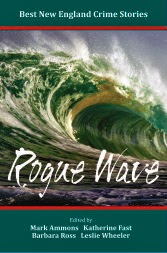
by Kathy Lynn Emerson, Best New England Crime Stories 2015: Rogue Wave
(Level Best Books)
“Just
Desserts for Johnny” (PDF)
by Edith Maxwell (Kings River Life Magazine)
“The
Shadow Knows”
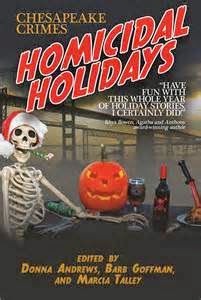
by Barb Goffman, Chesapeake Crimes Homicidal Holidays
(Wildside Press)
“The
Odds are Against Us” (PDF)
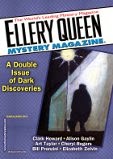
by Art Taylor, Ellery Queen Mystery Magazine, Nov.
2014
“Premonition” by Art Taylor,
Chesapeake Crimes Homicidal Holidays (Wildside Press)
Please
enjoy the opportunity to read these stories, if you haven’t already. We are so
fortunate to have with us today
Kathy Lynn Emerson, Edith Maxwell, Barb Goffman, and Art Taylor. All are not
only fabulous writers, but also delightful people. Thanks, Kathy, Edith, Barb,
and Art, for stopping by to share your work and thoughts with us!
How do you compare short story writing with
novel writing?
KATHY:
Writing short stories is much
harder. In quite a few cases, it took me longer to finish a short story than it
did to write an entire 80,000 word novel. With at least one story, it took me
years to get it right. When I write novels, they get longer with each revision.
When I revise a short story, it almost always ends up even shorter.
EDITH:
A heck of a lot shorter, for one thing!
When I had two-thirds of a novel in the drawer twenty years ago and then
reentered the paid work force while raising two sons, there was no way I could
carry the plot and characters of a book around in my head and fit them into the
tiny snatches of time I had available to writer. But I could manage a short
story, and wrote nearly a dozen, five of which were eventually published in
juried anthologies. Short stories are simpler. They’re not necessarily easier,
but they don’t take as much time or brain space to complete.
BARB:
For me, writing a novel is like the
long con. I start in one place, and I know that eventually I’ll bring the
reader to another place. But in the middle there will be detours and red
herrings and subplots. I want to keep readers from seeing where we’re going. I
want to fool them. To surprise them. I might set something up in chapter two
that will pay benefits three hundred pages later. That’s the long con.
With a short story, there’s no space
for the long con. I’m writing the equivalent of a bank robbery. I get in, get
the cash, and get out. No detours. No subplots. It’s a quick ride. Sure, short
stories and novels both should have a great beginning and ending and hopefully
a surprise or two, but the way I approach the middle is different.
ART:
Each time I’ve tried to write a full
novel, I’ve struggled with structure and pacing to the point that the results
have always been bumpy at best, dismal at worst—and none of them has seen the
light of day. With my upcoming novel-in-stories, On the Road with Del and
Louise
(coming out this September from Henery Press), I’ve tried to
capitalize on what I think I do well: manage the narrative arc—the structure
and pacing—of a short story, and link those stories together in contribution to
a larger narrative arc featuring the bigger story of these characters. To some
degree, I think I just understand short stories better, for better or worse.
What advice would you give to short story
writers?
KATHY:
Keep it simple. In a short
story there is no room for subplots, information dumps, or complicated
relationships. I’d say limit the number of characters, but that would be a tad
hypocritical since I’ve never managed to follow that piece of advice myself.
EDITH:
Don’t send it in too early. Get the
first draft done and let it stew for a while. Then work to eliminate everything
unnecessary, whether a description that doesn’t move the story forward or a character
you can do without. And then work it over again, polishing, trimming. I’ve seen
a couple of beginning writers dash off a short and send it in (well, I did the
same myself when I was starting out) when it wasn’t quite ready.
BARB:
Read. Read novels. Read short stories.
Read, read, read. It gets your brain moving. It teaches you technique, even if
you don’t realize it as it’s happening. It helps you learn what works and what
doesn’t.
And when you write, keep two things in
mind: (1) Everything in the story should move the plot forward. If a scene or
character can come out without affecting the plot, it doesn’t belong in the
story. (2) But don’t make your plot move so quickly that your main character
doesn’t have the time to react to what’s happening. Reactions are interesting.
They bring the character to life and add richness to the story. So show us her
thoughts, and then move that plot along.
ART:
Write the biggest story you can and
then cut and fold, cut and fold, cut and fold until the only words left are
those that are key to the story—that’s the ideal for me, even I personally feel
like I’m always falling short of that goal. The novelist’s art strikes
me generally as one of accumulation, where the short story writer should
ideally focus on subtraction—the most effect in the fewest words—and training
yourself to see where to cut and combine and condense is a challenge. Beyond
that, read widely in the short story form. There are so so many great
short story writers out there, each of them with different stylistic and
structural approaches, and there’s so much to learn from them and then maybe
apply in your own way to your own craft.
For the Agatha banquet, what kind of shoes would you (or if
you prefer, your protagonist, a character from your story, or your spouse)
wear? [This is, after all, The Stiletto Gang!]
KATHY:
The same ones I wear every
year—black SAS sandals with one-inch heels. Definitely no stilettos. I have
trouble enough walking in the sandals. By rights I should be wearing old-lady-with-arthritis
orthopedic lace-ups!
EDITH:
I’m so shoe impaired in terms of what’s
conventional. I’m trying to come up with a pair of party shoes that aren’t
either stilettos or some version of little-girl shoes. I have short wide feet
and refuse to wear heels, so it isn’t easy! You’re going to have to wait and
see what I find. Maybe we can do a follow up post with a picture of all our
Agatha banquet shoes…
[Edith sent her picture early, so I
wanted to share it. I’ll see if I can get shots of the shoes actually worn at
the banquet!—Paula]
BARB:
Gus, my main character from my
Agatha-nominated story “The Shadow Knows,” wouldn’t go to a banquet. It’s way
too fancy for him. But if he were forced, Gus would wear plain, comfortable
shoes. I’m similar in that respect. My shoes will be black and nearly flat and
above all else, comfortable. I want to enjoy the evening, which means doing
what I can to avoid aching feet.
ART:
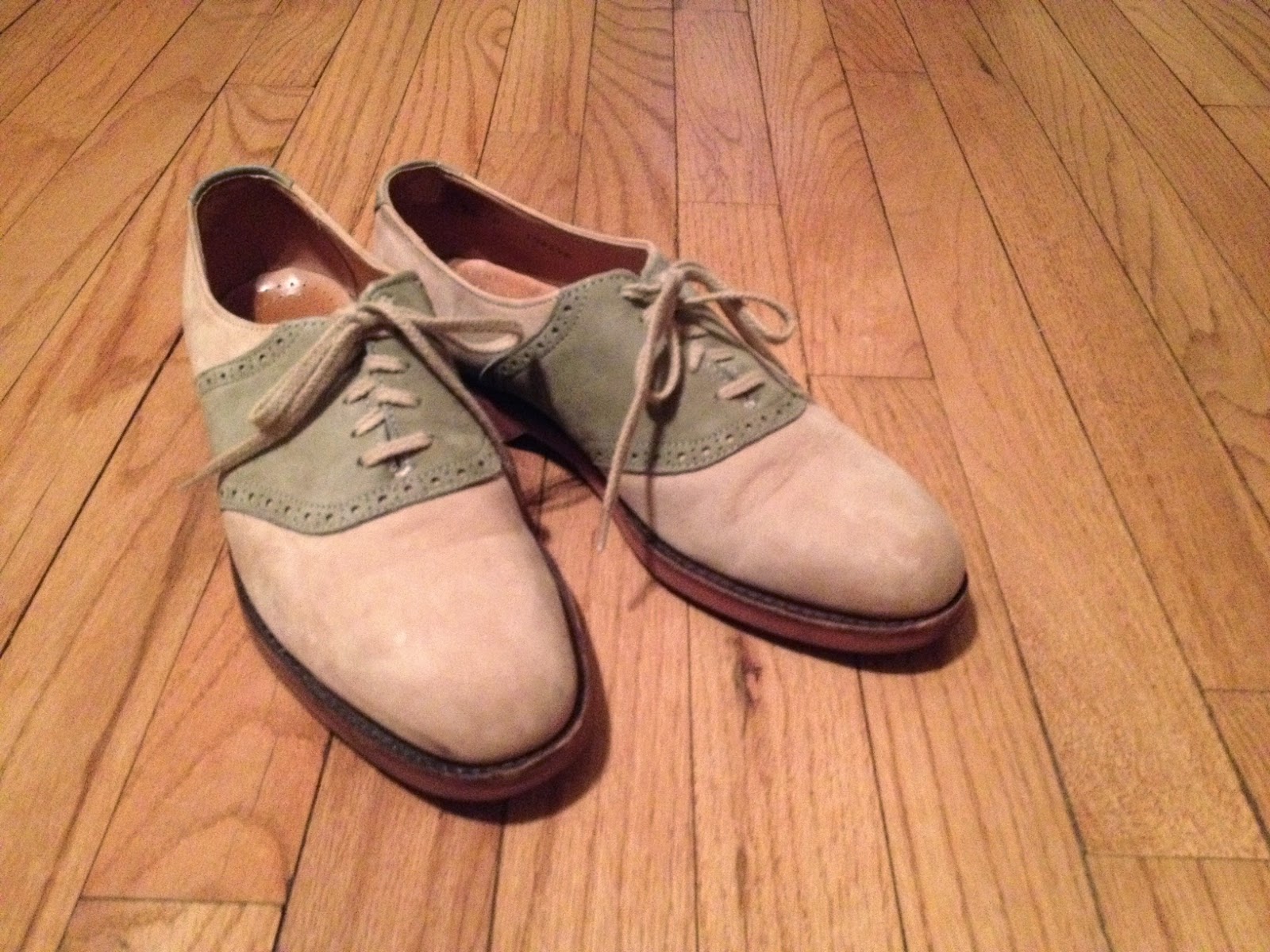
I’ve got a pair of suede saddle shoes that
I regularly want to wear (khaki green panel over off-white), but my wife Tara
says they don’t ever match what I put them with, so…. We’ll see if I can ever
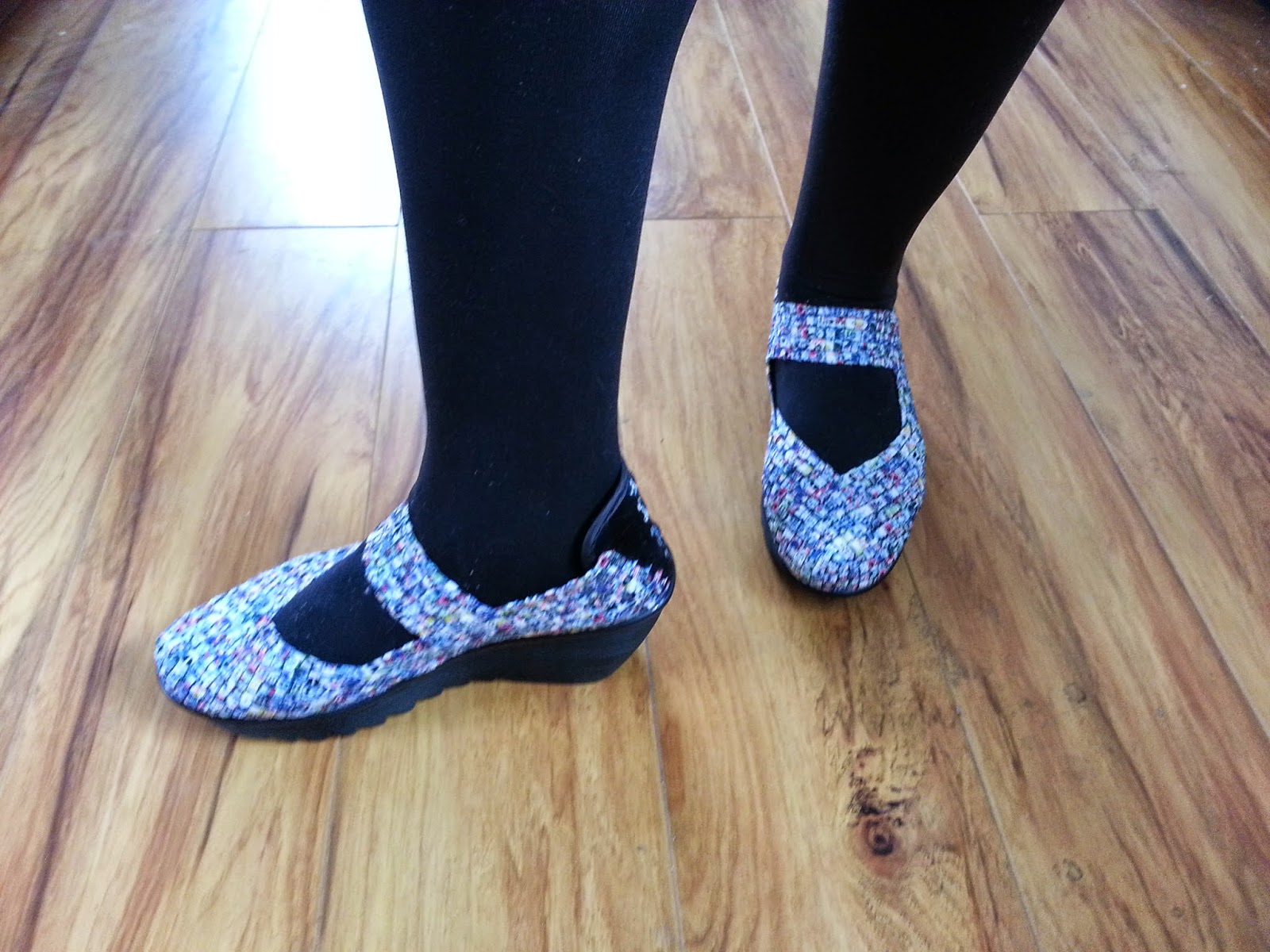
come up with a good combination! [Here are Art’s shoes for your viewing pleasure!—Paula]

Meet the Authors of the 2014 Agatha Best First Novel Nominees!


Each
year at Malice Domestic, writing excellence is recognized by the Agatha awards.
This year’s nominees for Best First Novel are:
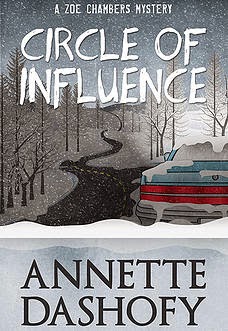
Circle of Influence by Annette
Dashofy (Henery Press)
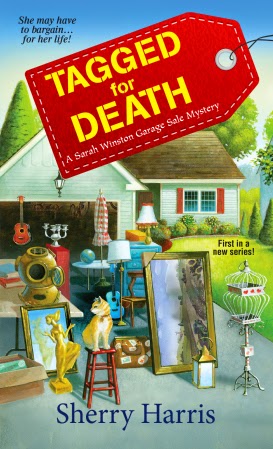
Tagged for Death by Sherry Harris (Kensington Publishing)
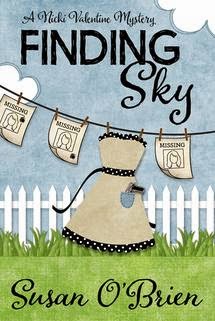
Finding Sky by Susan O’Brien (Henery Press)
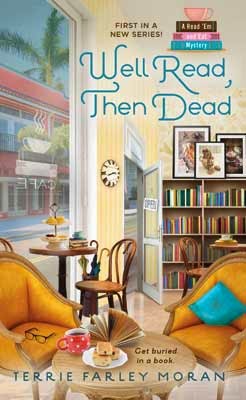
Well Read, Then Dead by Terrie Farley Moran (Berkley Prime Crime)
Murder Strikes a Pose by Tracy Weber (Midnight Ink)
Today,
the Stiletto Gang welcomes
Annette Dashofy, Sherry Harris, Susan O’Brien, Terrie Farley Moran, and Tracy Weber. All are not
only skilled and talented writers, but also charming and caring people. Thanks,
Annette, Sherry, Susan, Terrie, and Tracy, for stopping by to share your work
and thoughts with us!
What was the idea or inspiration that led you to write your
nominated novel?

ANNETTE:

Years ago I happened to overhear a
snippet of conversation regarding a local political brouhaha. The person said,
“Someone should just kill him and put him out of my misery.” No one actually
did, but you can’t say something like that around a crime fiction writer and
not have it end up in a story! In my case, it spun out a bunch of “what if”
questions that ultimately became Circle
of Influence
.

SHERRY:

My story is a little
different. An editor in New York was looking for someone to write a garage sale
series. Through a series of fortunate events the chance to write a proposal for
him landed in my lap. I’ve always loved garage sales and the proposal
synopsis of the first three books, first three
chapters, cast of characters, and marketing plan
poured out of me in four days.

SUSAN:

I’ve
wanted to be an author since childhood, and I’m not sure why. I don’t remember
ever not wanting to be an author! My
love of mysteries grew over the years, and by the time I was ready to write
one, I was a parent. My protagonist Nicki is a mom, and I wanted her to be
honest about the funny, overwhelming nature of parenting—while solving
mysteries that I hope parents and non-parents will enjoy. Also, I planned to
donate part of my royalties to organizations that serve missing kids and their
families. It’s almost surreal to have these dreams come true!

TERRIE:

I
wrote the book I wanted to read. If I could create my own world, (Oh, wait—I
can) I would have my home away from home be a book store/restaurant just like
the Read ’Em and Eat—all books all the time, with book-themed food served on
author-themed tables. Book clubs meet there regularly, and I wondered what
would happen if a beloved book club member was tragically murdered. In Well Read, Then Dead that is exactly
what happens.

TRACY:

A homeless lady—I’ll call her Susan—used
to hang out near the entrance to my neighborhood grocery store, and she always
had a large Rottweiler mix in a crate next to her. Over time, I got to know
them both, and I asked her about the crate. She told me that the Rottweiler
would sometimes lunge at other dogs that walked by on the sidewalk. The
crate—which she stored behind the building at night—allowed her to keep the dog
with her, in spite of its reactivity.
Susan adored that dog and went to great
lengths to take care of it, in spite of her own financial issues and living
conditions. She was as dedicated to her pet as most people are to their
children.
I started to wonder: What if her dog had
an expensive health condition as well as its behavior issues? What would she
do? What could she do? That’s when
Bella and George formed in my head. Unfortunately, Susan disappeared from the
neighborhood long before I wrote the first draft of Murder Strikes a Pose. I haven’t seen her almost two years, so I’ll
probably never know what she would have thought about being my muse. I hope she
would have felt complimented.
What advice would you give to writers?

ANNETTE:

Don’t ever give up. Keep studying the
craft of writing. And finish the book.
SHERRY:
Don’t give up and study the
craft. I have stacks of rejection letters
from back in the day when everything was still done by snail mail.
I have two and a half books written that never sold. I kept writing, went to
lots of conferences, met people, and learned. When the opportunity finally
came, I was ready. Also, I wish someone would have told me that maybe it was
time to move on from the series that didn’t sell and to try something new.

SUSAN:

If
you believe your work is meant to be published, stay positive and don’t give
up! The journey to publication can be long and difficult—yet incredibly
rewarding. Keep your options open, too. I ended up working with a small
publisher and an attorney (not an agent).
TERRIE:
My
best advice for every writer is: Trust your own judgment. Keep on writing.
Submit. Don’t wait to hear back. Write something else. Submit that. The more
you write, the more comfortable writing becomes until you can’t imagine your
life without pounding the keyboard or picking up the pen.

TRACY:

Don’t give up, and don’t procrastinate. Write every day. Write
what you love. If you spend every day working on what you love most, even if
you never get published, you’ll have had a good time. That’s what matters most.
For the Agatha banquet, what kind of shoes would you (or if
you prefer, your protagonist or a character from your story) wear? [This is,
after all, The Stiletto Gang!]
ANNETTE:
This is such an appropriate question
since it’s one I’m currently pondering. I bought a great dress, but it’s white
and all my dressy shoes are black or dark brown. I was thinking of getting
taupe pumps, but lately I’m considering getting crazy and going with ruby red
or animal print pumps!

SHERRY:

Ah, lovely stiletto wearing
folks of the world, I envy you but I gave up heels a long time ago. I will look
for a pair of snazzy flats! However my protagonist Sarah would wear something
with a peep toe and a three inch heel.
SUSAN:
My
protagonist Nicki and I are both uncomfortable walking in high heels. (Her next
adventure actually relates to this topic!) Honestly, I wear orthotics, so I’ll
probably wear my only pair of dress shoes—with a moderate heel—that
accommodates them. If you see me, please understand! Thanks!

TERRIE:

Shoes!!
Having grown up in the era where a lady’s shoes and purse must match, and heels
were worn every day, I once owned stilettos in half a dozen colors. (We also
wore white gloves on the subway, but that’s a story for another time.) Due to
an ancient softball injury, compounded decades later by a broken ankle, I will
be wearing a pair of very low-heeled pumps to the Agatha Banquet. But, never
fear Stiletto Gang, I still have a pair of gray suede three-inch heels in my
closet that I cannot bear to give away. Sometimes I put them on and hobble
around the house, with my cane in hand for safety. They still look fabulous and
I feel fabulous when I have them on my feet. Alas, my left ankle wobbles if I
try to walk in them.
TRACY:
Given that Kate and I are both yoga
teachers, we would really prefer to go barefoot. But if that won’t work, a pair
of comfy Birkenstocks will work quite nicely!