Listening is Also Research by Saralyn Richard
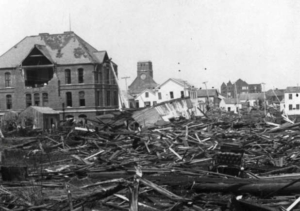
I first started researching the 1900 Storm, the deadliest natural disaster ever to hit American soil, when I was 15 years old. In those pre-Internet days, research meant going to the library, reading books and other primary source materials (some of which was on microfilm and microfiche), and taking copious notes in spiral notebooks.
At the time I was burning to write about a family secret that I knew would be book-worthy, and I would be the best person to tell it. I thought of the premise as MY STORY, and I nursed and nurtured it over the years. In the 1980’s when I got my first computer (a tiny-screened Mackintosh), I began writing, but 100 pages into the manuscript, the computer died, taking the story with it.
Fast forwarded past a very busy career in education and eight books written and published, and I decided it was time to return to this story. By now, so many wonderful books were written about the 1900 Storm, that I decided to set the novel five years later. Turned out that the Galveston of 1905 was an exciting time, filled with optimism and state-of-the-art science and engineering, and a wave of immigration that brought energetic, clean-living workers to the island to help with rebuilding.
I spent time in person and online with the Galveston and Texas History Center at the Rosenberg Library, and I read lots of books and journals about the building of the seawall, digging of canals, raising of the grade, and building of boardwalks to give people access to the houses being raised.
I happened to include something in my monthly newsletter, asking subscribers to send me names of family members who lived in 1905, as well as any storm survivor stories they knew. The response was incredible! Within days I had more than fifty vignettes and names of real people to go with them.
Often, when I went to a restaurant in town or a public event, people would stop me to tell me another storm survivor story, and I realized I had opened a channel for people to share. The stories were tragic and uplifting at the same time. The grief and loss were excruciating, but the rebound extraordinary. A friend’s grandparents had two babies swept from their arms in the rushing tidewater, never to be seen again. But the babies’ parents went on to rebuild their lives and have three more children.
I found that listening to the stories immersed me in the time and place in a way that “book research” never could. And I included a lot of the stories in the manuscript of PORT OF DESTINY: A Victorian History, Mystery, & Romance.
The book was released on September 1, and I realized that, rather than being my book, it is OUR book. The story of three immigrants could be the story of every family in America, unless it is descended from indigenous people. The book’s little stories add more than local color to the story. They tell the tales of resilient and brave people, and the forward-thinking island that wouldn’t be destroyed.
Listening to stories made our book much more authentic. I’m really glad I did it!
Do you have a storm survivor story to share? It’s not too late to add to the collection. Sign up for my newsletter at https://saralynrichard.com, and I promise I’ll listen.
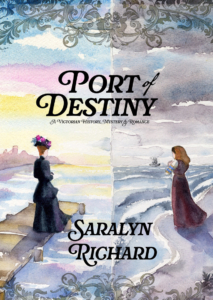
Three immigrants. Two disappearances. One murder. And a love story that defines them all.
When Rosa’s brother vanishes from hurricane-ravaged Galveston, she turns to his best friend, Nathan, to help her uncover the truth. Together they are swept into the mystery that swirls around her immigrant family in a city rebuilding after the devastating 1900 storm. Just as Nathan’s feelings for Rosa blossom, Chana enters the picture. Bold, resilient, and with a conflicting love interest of her own, she forces them to make the most important decisions of their lives.

 “My fellow Americans,” he intoned in his best Presidential voice, “I am pleased to tell you I just signed legislation which outlaws Russia forever. The bombing begins in five minutes.”
 His speeches even gave birth to a new literary term, Bushisms, that refers to his frequently error–prone speech. Examples include “They misunderestimated me,” and the classic, “Is our children learning?” He was given a Lifetime Achievement award in 2008 for “services to gobbledygook” by the Plain English Campaign.
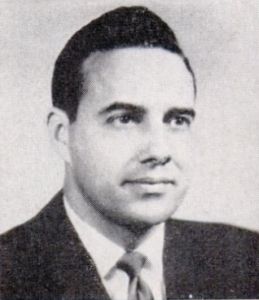 Bob Dole, who wrote
 Several writers have written about dealing with their employers’ public utterances. Liz Carpenter, who spent her White House years as Lady Bird’s secretary told this story about Lyndon Johnson. after his writers sent him what he considered too “highfalutin” because it contained several quotations by Aristotle. According to Carpenter, Johnson snorted, “Those folks don’t know who Aristotle is,” where upon he replaced the attribution with “as my dear old daddy used to say to me…”
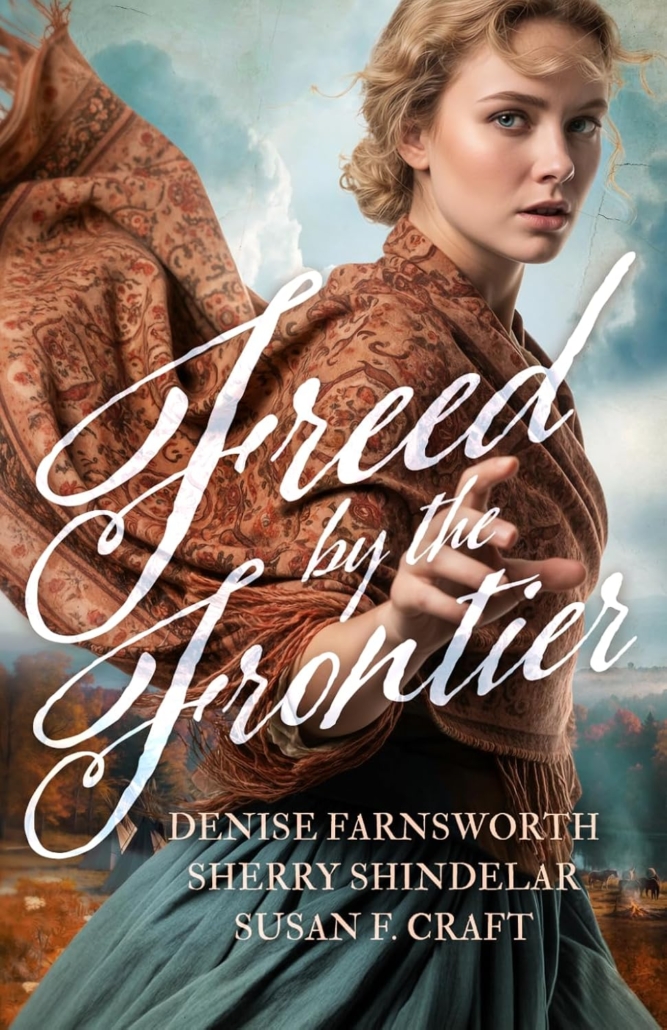


 Conflagration! follows the trial, conviction, and execution of Angélique, now honored on a Canadian stamp. In an era when lawyers are banned from practicing in New France, Angélique is on her own. Philippe Archambeau holds court in this historical mystery, a clerk assigned specifically to document her case. He believes Angélique might just be telling the truth. Or not.
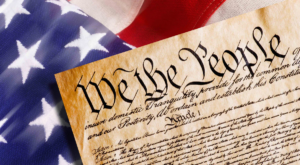 ,” a display in honor of the 250th anniversary of the United States of America. The invitation to the opening of the exhibit had me wondering where they’d be parking a Boeing 737 in the museum’s urban setting.
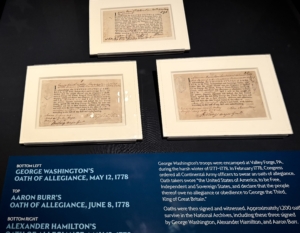 I wished I was allowed more time to read the difficult script and each signature, and especially, to ponder those last minute, hand-written edits on what became the final drafts.
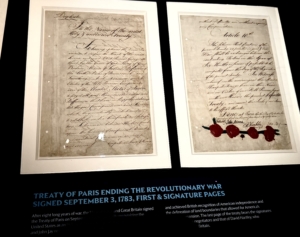 In adding their names to the Declaration of Independence in 1776, these colonial representatives still had to unite and then muster the wherewithal to engage in a long, costly war. A peace treaty with Britain was not signed until 1783.
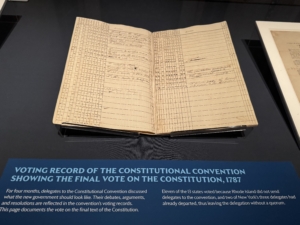 The final draft of the U.S. Constitution was not ratified until 1783, and at the actual signing, representatives from only eleven the thirteen new states were present.
 Read more about this award-winning author at
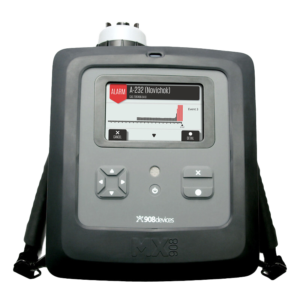 What does it do? The MX908 mass spectrometer is capable of detecting real time chemical identification (such as explosives, HazMat operations and priority drugs such as fentanyl, methamphetamine, cocaine and more).
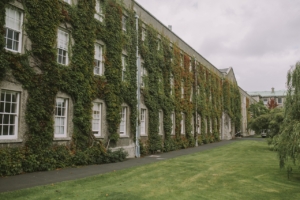

 by Paula Gail Benson

 So deep am I into the research for my next book that I lost track of time. Which is to say, I almost forgot to write this post.